Behind the Reels: Slot Mechanics, Smart Plays, and the Road Ahead to 2026
Jakob Reed · Mar 31, 2026
Behind the Reels: Slot Mechanics, Smart Plays, and the Road Ahead to 2026
How Slots Tick: Random Number Generators and Core Components
Slot games operate through random number generators (RNGs), algorithms that produce thousands of outcomes per second, ensuring each spin remains independent and unpredictable; developers embed these systems in both land-based machines and online platforms, where certified labs like those affiliated wth the Nevada Gaming Control Board rigorously test them for fairness. Reels, typically three to five in modern designs, feature symbols aligned across paylines—those invisible paths determining winning combinations—and as players hit spin, the RNG selects a sequence, stopping the reels at matching icons for payouts based on paytables displayed prominently on screen.
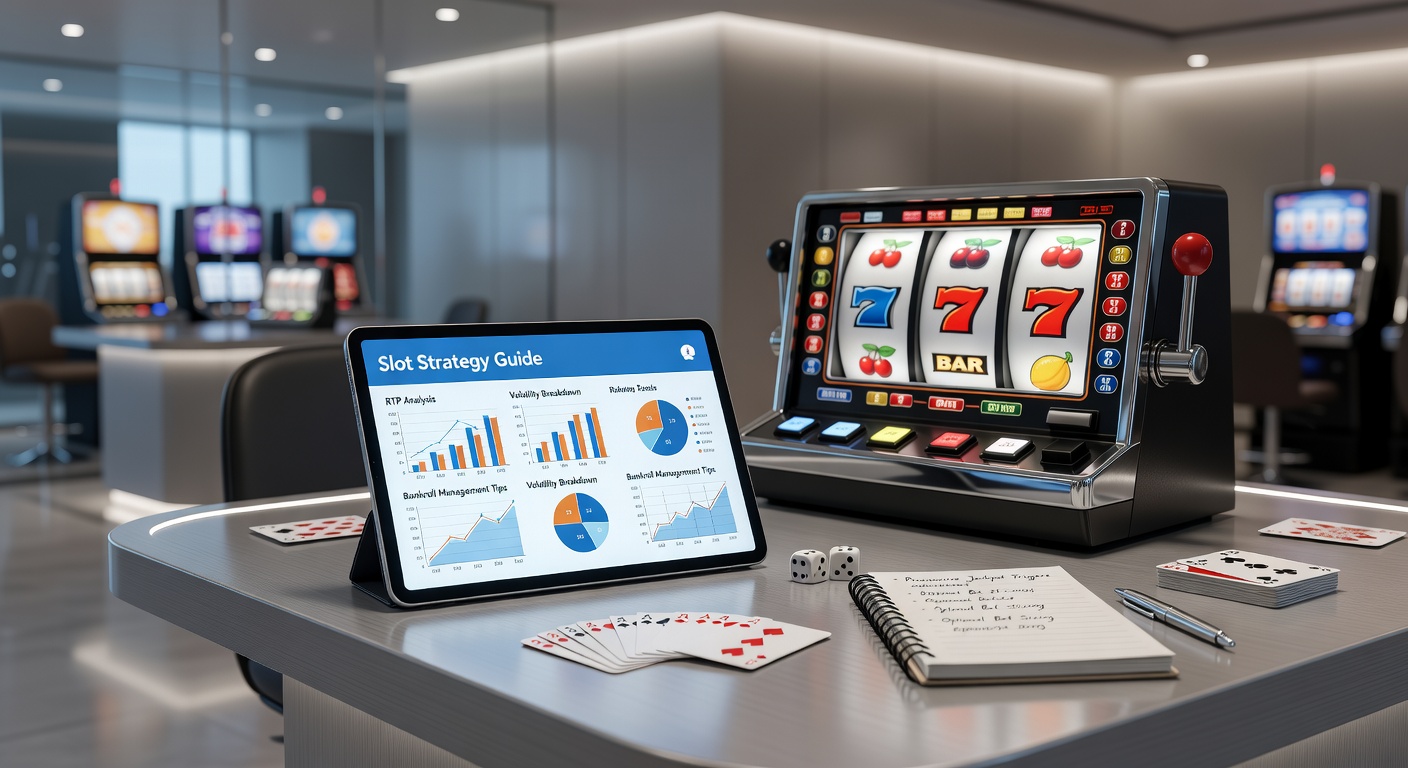
Return to player (RTP) percentages, often hovering between 85% and 98% depending on jurisdiction and game type, represent the long-term average returned to players over millions of spins; high-volatility slots deliver infrequent but larger wins, while low-volatility ones offer steadier, smaller payouts, a distinction players quickly grasp when reviewing game info panels. Paylines have exploded from single horizontal lines in classic machines to hundreds or even thousands in multi-line video slots, where betting on more lines increases chances but also costs, turning every session into a calculated spread of wagers.
Strategies That Shape Sessions: Bankrolls, Bets, and Bonus Hunts
Players who manage bankrolls effectively set strict limits upfront, dividing funds into session-sized chunks—say 50 units per hour—to weather dry spells without chasing losses; research from the Australian Gambling Research Centre highlights how such discipline extends playtime, with data showing disciplined bettors lasting 30% longer on average than impulsive ones. Betting max coins on progressive jackpot slots unlocks top prizes, but experts advise scouting RTPs first, as games above 96% edge out the house over time, although variance means short-term swings remain wild.
Bonus features like free spins, multipliers, and pick-and-win rounds trigger via scatter symbols or bonus wheels, often multiplying base wins substantially; those who prioritize games with high-frequency bonuses report more engaging sessions, since landing these mini-games shifts momentum, turning routine spins into potential surges. And while no tactic beats the RNG's core randomness, timing visits during off-peak hours in land-based venues can snag looser machines, per casino floor observations shared by long-time players.
Take one case where a Nevada regular tracked 20 machines over weeks, noting patterns in payout cycles—not due to true predictability, but machine programming that ramps up after extended droughts; such anecdotal logs underscore why logging sessions helps refine approaches, even if outcomes stay probabilistic.

Debunking Myths: Hot Machines, Patterns, and the House's Quiet Edge
Myths persist about "hot" or "due" slots ready to pay out after cold streaks, yet studies from gaming labs confirm each spin resets via RNG, with no memory of prior results; observers note how near-misses—alignments just shy of jackpots—fuel this illusion, as they occur by design to heighten excitement without altering odds. House edges, baked into RTPs, average 2-15% across slots, meaning casinos retain that slice long-term, but savvy players minimize it by sticking to high-RTP titles and avoiding low-denomination traps where edges creep higher.
What's interesting is how progressive networks link machines across venues, pooling bets into massive jackpots that hit rarely—once every few months per system—yet draw crowds because the math shifts dramatically when pots swell beyond certain thresholds, making bets temporarily player-favorable. But here's the thing: side bets and gimmicky features often carry steeper edges, so those who've dissected paytables steer clear, focusing instead on core reel action.
Global Twists: Regulations, Tech Upgrades, and Player Shifts
Around the world, regulators enforce stake and prize caps to promote responsible play; in Canada, provincial bodies like those in Ontario mandate session reminders and self-exclusion tools on digital slots, while EU frameworks emphasize transparent RTP disclosures, helping players compare across operators. Land-based slots evolve too, with skill-based elements—like shooter mini-games atop reels—blending chance with input, appealing to younger demographics who crave interactivity over pure luck.
Online realms buzz with mobile-optimized slots, where touch controls and portrait modes make spins seamless on commutes; data from industry trackers reveals mobile sessions now outpace desktop by 2-to-1 ratios, since apps deliver instant access without downloads. And as virtual reality (VR) kits drop in price, developers tease immersive slot worlds for March 2026 launches, where players step into themed environments—think ancient Egypt pyramids or cyberpunk cities—manipulating reels with gestures, per prototypes unveiled at recent trade shows.
Turns out, these VR rollouts coincide with broader digital surges, as operators integrate AI for personalized game recommendations based on past plays, subtly nudging toward high-RTP options without overriding choice. Players in test phases report heightened immersion, with session times extending 20% due to the sensory pull, although regulators scrutinize for addiction risks.
The 2026 Horizon: VR Slots, Stake Tweaks, and Adaptive Tech
Heading into 2026, slots face stake adjustments in select markets, capping bets to curb high-roller excesses while boosting low-stakes accessibility; March pilots in European venues introduce VR hybrids, blending physical cabinets with headset overlays for hybrid experiences that track eye movements for bonus activations. Developers ramp up megaways mechanics—where each reel holds up to 7 symbols, exploding paylines to 117,649 ways—pairing them with cascading reels that respin winners, chaining payouts in rapid succession.
Security upgrades embed blockchain for verifiable fairness, letting players audit RNG seeds post-session, a transparency leap gaining traction in Asia-Pacific hubs. Yet volatility persists as the constant; even with these bells and whistles, core math holds firm, rewarding those who blend strategy with patience over reckless spins.
One early adopter in a VR beta shared how gesturing to trigger wilds felt revolutionary, transforming passive pulling into active engagement, although payout structures mirror traditional slots to maintain regulatory compliance.
Conclusion
Slot games blend RNG-driven chance with layered mechanics like RTPs, paylines, and bonuses, where strategies centered on bankroll discipline, game selection, and feature hunts extend play and maximize returns over time; global regs and tech like VR pave a dynamic path into 2026, offering fresh spins without upending the foundational math. Players who decode these elements navigate sessions smarter, turning reels into informed pursuits rather than blind gambles, all while the industry's innovations keep the action evolving.