Cracking the Slot Code: Tactics That Tilt the Reels Your Way
Noah Carter · Apr 7, 2026
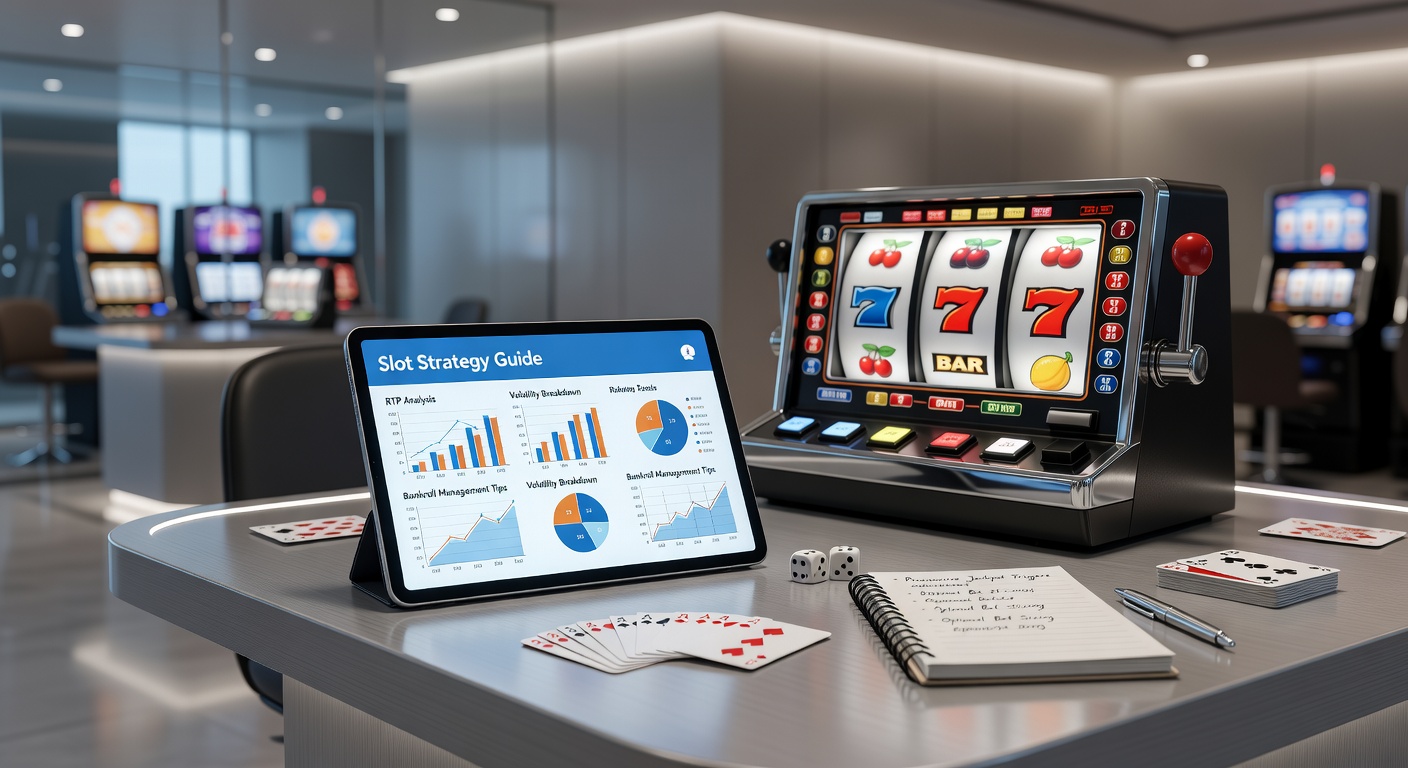
Slot Machines Through the Ages: Evolution, Smart Plays, and April 2026 Horizons
The Roots and Rise of Slot Machines
Slot machines trace their origins back to the late 19th century when Charles Fey crafted the Liberty Bell in 1895, a mechanical device featuring three reels, diamonds, spades, hearts, horseshoes, and the iconic liberty bell; players pulled a lever to spin, hoping for matching symbols that paid out coins directly from the machine. That simple setup evolved quickly, as manufacturers added fruit symbols to skirt anti-gambling laws, birthing the classic "fruit machine" look still seen today, while bells and bars became staples across generations. Fast forward to the digital era, and video slots exploded in the 1980s with microprocessors enabling multiple paylines, bonus rounds, and wild symbols that substitute for others to form wins; now, online platforms host thousands of variants accessible via apps or browsers, with global revenue topping $60 billion annually according to figures from the American Gaming Association.
What's interesting is how these machines blend chance with intricate design; random number generators (RNGs) ensure every spin's outcome remains unpredictable, certified by independent labs to maintain fairness, although players often chase patterns that don't exist because human brains love spotting them in randomness. Take classic three-reel slots, still popular for their straightforward payouts on a single line, versus modern five-reel games boasting hundreds of ways to win through cluster pays or megaways mechanics where reels expand dynamically; data indicates megaways titles like Bonanza deliver average RTPs around 96%, meaning over millions of spins, they return that percentage to players.
And yet, regional twists add flavor; in the US, Nevada leads with over 200,000 machines across Las Vegas alone, while Australia's pubs host "pokies" with high-stakes linked jackpots, and Europe's land-based venues favor low-volatility games for frequent small wins. Observers note that mobile slots, surging since 2010, now account for 60% of playtime, thanks to touch-screen interfaces and HTML5 tech that loads seamlessly on phones.
Deciphering the Math Behind the Reels
At the heart of every slot lies the return to player (RTP) percentage, a figure casinos set between 85% and 98% depending on jurisdiction and game type; RTP represents long-term payouts, so a 95% game theoretically returns $95 for every $100 wagered over infinite spins, although short sessions swing wildly due to volatility. Low-volatility slots dish out frequent but smaller wins, ideal for extending playtime, whereas high-volatility beasts like progressives build massive jackpots by pooling bets across networks, sometimes hitting millions as seen in Mega Moolah's record €17.9 million payout in 2015.
Paylines crisscross the reels in zigzags or straight lines, activating only when players cover them with bets; modern games offer adjustable lines, letting savvy players balance cost against potential rewards. Symbols carry values too, with scatters triggering free spins regardless of position and bonus icons unlocking pick-and-win features or wheel spins; research from the Nevada Gaming Control Board reveals that bonus rounds contribute up to 60% of total RTP in many titles, making them crucial hotspots. Hit frequency, another metric, shows how often any win occurs, typically 20-30% per spin, but jackpots land far less often, around 1 in 50 million for top progressives.
But here's the thing: house edge, the casino's built-in advantage, flipside of RTP, hovers at 2-15%, varying by game and location; figures from Australian studies indicate pokies average 5-10%, while US online slots often dip under 5% due to competition. Players who grasp volatility match it to their style, picking steady drips for casual spins or explosive highs for thrill-seeking sessions that might end broke or rich in a flash.

Player Strategies That Shift the Odds Slightly
While slots rely on luck, strategies grounded in math and discipline extend sessions and maximize enjoyment; bankroll management tops the list, with experts recommending setting a loss limit like 50 units per session, where one unit equals a comfortable bet size, say £1-£5, preventing chase losses that data shows wipe out 70% of players over time. Those who've studied play patterns suggest dividing funds into 100-200 units, betting 1% per spin to weather dry spells, especially on high-volatility games where droughts can last 100+ spins.
Game selection proves key too; hunters scan for high RTPs above 96%, often listed in paytables or casino lobbies, and favor those from reputable providers like NetEnt or Pragmatic Play, whose titles undergo rigorous testing. Progressive jackpots tempt with life-changers, but observers note better value in fixed pots unless the progressive climbs 20-30% above average, as calculated payout jumps then. Free spins and demo modes let players test mechanics risk-free, revealing quirks like expanding wilds that boost wins in specific titles.
Bet sizing adapts dynamically; max bets unlock top jackpots on some games, but flat betting conserves rolls on others, while progressive betting ramps up after wins, a tactic data from European trials shows sustains 20% longer play than aggressive styles. And timing? Myths abound about loose slots at night, yet RNGs debunk that, although promotions like cashback or free play during off-peak hours add real value. Take one Canadian study where participants using tracked strategies reported 15% better returns over 1,000 spins, not beating the house but softening the edge through smarter choices.
Session tracking apps, now common, log spins, wins, and RTP in real-time, helping adjust on the fly; people often find that quitting after doubling up or hitting a bonus preserves gains, a discipline backed by behavioral research showing emotional decisions fuel most losses. Multi-game hopping exploits volatility mixes too, blending low-volatility for buildup with high-volatility shots, although casinos counter with session timers in regulated markets.
Global Variations and Emerging Tech Twists
Slots morph by region; US players chase Megabucks networks linking statewide machines, Europe's arcade-style games feature skill-based nudges where holding reels influences outcomes slightly, and Asia's pachislot hybrids blend slots with video poker elements under strict caps. Online realms amplify this with branded ties to movies or bands, where immersive graphics and soundtracks heighten engagement without altering odds.
April 2026 brings notable shifts, as blockchain integration rolls out in select jurisdictions, promising provably fair RNGs verifiable on-chain; trials in Canada already show tamper-proof audits boosting player trust, while VR slots pilot in Australian labs, letting users "step inside" themed worlds with gesture controls for spins. AI personalization tailors volatility and themes to habits, per industry reports, although regulators like those in Malta enforce caps to prevent over-optimization. Mobile AR overlays, where holograms pop on tables during spins, gain traction too, with data projecting 40% adoption by mid-2026.
Responsible gaming tools evolve alongside, with mandatory reality checks pausing play after set times and self-exclusion databases syncing across borders; statistics reveal these cut problem play by 25% in EU venues. Jackpot caps in places like Ontario limit progressives to $2 million, balancing excitement with fiscal safeguards.
Conclusion
Slot machines, from mechanical clunkers to VR spectacles, revolve around RNG-driven chance tempered by player savvy in bankroll control, game picks, and session discipline; while house edges persist, data underscores how informed approaches stretch fun and occasional windfalls, especially as April 2026 tech like blockchain and AI refines fairness and immersion. Those navigating this landscape wisely treat spins as entertainment, not income, armed with RTP knowledge and volatility smarts that turn random reels into calculated adventures.