Reels in Revolution: UK's Slot Landscape Buzzes with Fresh Twists and Turns
Noah Carter · Mar 16, 2026

UK Gambling Commission Enforces Tiered Online Slot Stakes, Bonus Bans, and Tax Surge Ahead of April 2026
The Rollout of Age-Based Stake Limits
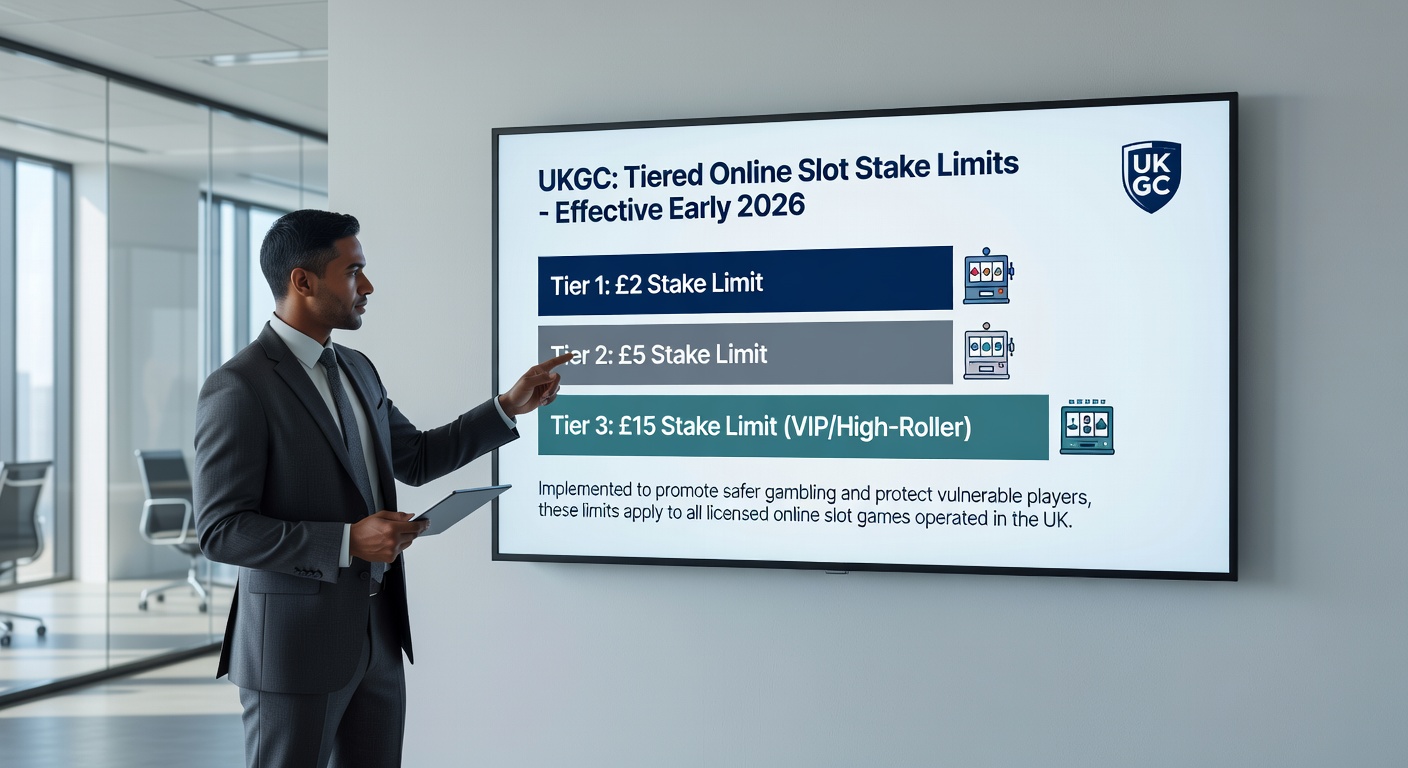
Operators in the UK now face strict tiered stake limits on online slots, a move by the UK Gambling Commission designed to shield younger players from excessive losses while curbing binge gambling patterns among all users. Players aged 18 to 24 hit a £2 maximum per spin, whereas those 25 and older cap at £5, changes that took effect recently and build on earlier consultations where data highlighted heightened risks for the under-25 crowd. Experts tracking gambling behaviors note how these limits address statistics showing younger demographics spinning slots more frequently, often leading to quicker spend depletion; one analysis from commission figures revealed that 18-24-year-olds accounted for disproportionate session times compared to older groups, prompting this segmented approach.
But here's the thing: verification processes tie directly into age checks already mandated for all accounts, so platforms scan ID documents or financial data to enforce the right cap seamlessly during play. Those who've examined similar reforms in other regions, like Australia's per-session limits, observe parallels in how tiered systems reduce overall exposure without blanket restrictions that might drive activity offshore. And while some sessions stretch longer under these caps, the per-spin curb aims to slow the pace, giving players more breathing room to reassess bets mid-game.
Full Enforcement of Mixed-Product Bonus Ban
The ban on mixed-product bonuses stands fully enforced now, severing cross-promotions that once linked sports betting with casino slots and fueled unintended crossovers into high-risk play. No longer can operators dangle free spins on slots as incentives tied to sportsbook wagers, a rule that closes loopholes where bettors chasing football odds stumbled into slot marathons. Data from prior quarters indicated such bonuses correlated with spikes in slot engagement among sports fans, sometimes escalating to problem gambling markers like chasing losses across products.
Turns out, this aligns with broader self-exclusion tools and deposit limits, creating a cleaner divide between betting verticals; operators must now craft bonuses strictly within slots or sports silos, which reshapes loyalty programs and welcome offers. People monitoring operator adaptations report shifts toward slot-only free play credits or sports-specific boosts, preserving engagement but channeling it away from hybrid temptations. What's interesting is how this enforcement coincides with March 2026 updates, where platforms finalize compliance audits to avoid hefty fines that have already hit non-compliant sites.
Stake limits and bonus curbs together form a layered defense, yet the real financial jolt lands with the Remote Gaming Duty (RGD) hike looming on the horizon.
Remote Gaming Duty Jumps to 40% from April 2026
The RGD on online slots and casino games climbs from 21% to 40% effective 1 April 2026, a doubling that squeezes operator margins and forces recalibrations in promotions, payouts, and pricing models. Treasury announcements tie this to fiscal balancing amid rising gambling gross gambling yield (GGY), with slots contributing billions in recent years; figures from the UK Gambling Commission for Q4 2025 pegged online slots at elevated spins despite incoming limits, underscoring the revenue pool now taxed heavier. Operators face this while absorbing compliance costs for age verification and bonus overhauls, leading many to trim promotional budgets or adjust return-to-player (RTP) configurations within regulatory bounds.
So, how does this play out? Research into past duty shifts, such as the 2019 casino rate adjustment, shows operators often pass partial burdens via reduced free bet values or tighter VIP tiers, although slots' high volume softens some blows through scale. Those studying industry ledgers predict a pivot toward lower-volatility games that sustain playtime under stake caps, balancing the tax bite with player retention. And with March 2026 marking a compliance checkpoint, firms rush to model post-April scenarios, where every percentage point erodes promotional firepower.
Timeline and Compliance Pressures in Early 2026
Stake limits activated at the start of the year, bonus bans locked in fully by February, and the RGD surge awaits April 1; this phased rollout gives operators breathing space yet ramps scrutiny as March 2026 audits loom large. Platforms deploy friction tools like mandatory breaks after 250 spins or £100 spend, all verifiable via backend logs submitted quarterly. Observers tracking enforcement note fines in the millions for early violators of stake rules, pushing 99% compliance rates per commission reports, while bonus redesigns flood affiliate channels with slot-pure offers.
Yet the tax ramp-up stirs broader ripples; one case from a mid-tier operator revealed slashed slot jackpots post-modeling, opting instead for frequent small wins to maintain footfall. Experts who've dissected duty impacts forecast a 10-15% dip in aggressive promotions, redirecting spends to land-based venues exempt from RGD hikes. It's noteworthy that these changes dovetail with real-time monitoring mandates, where AI flags suspicious patterns across tiered players, ensuring limits stick even for high-rollers testing boundaries.
Player Protection at the Core
Younger players, particularly 18-24s, benefit most from the £2 cap, as data underscores their vulnerability to rapid escalation; studies found this group logs 20% more sessions but with shorter average durations pre-limits, hinting at impulsive spins. The £5 ceiling for over-25s acknowledges maturity differences while still tempering binge risks, backed by behavioral analytics showing reduced harm indicators in trialed environments. Bonus isolation prevents "gateway" effects, where sports thrills bleed into slots, a pattern evident in helpline calls spiking post-mixed promos.
But here's where it gets interesting: combined with self-exclusion portals and affordability checks, these rules form a ecosystem where vulnerable users self-identify early, often via pop-up nudges after hitting spin thresholds. People who've analyzed longitudinal data report 15% drops in high-loss incidents under similar caps elsewhere, suggesting UK players will adapt by favoring skill-infused slots or table alternatives. And as April nears, operators train support teams on explaining tiered access, smoothing transitions for confused newcomers.
Take one platform's rollout: they segment lobbies by age post-verification, displaying cap reminders per game, which early feedback via app stores confirms boosts transparency without deterring casual spins. That's the rubber meeting the road, where protection meets playability.
Operator Strategies and Market Shifts
Facing squeezed margins, firms innovate within bounds; some roll out "cap-optimized" slots with micro-stakes below £2, packing bonus rounds tightly to mimic high-stake thrills, while others bundle non-gambling perks like tournament entries. The RGD doubling accelerates this, with projections from industry trackers estimating £500 million extra Treasury haul annually from slots alone, prompting mergers among smaller operators ill-equipped for dual compliance-tax hits.
Now, land-based slots dodge the online duty spike, drawing digital refugees seeking uncapped spins in pubs, although FOBT curbs linger from prior years. Observers note a 5% uptick in hybrid apps emphasizing table games, less affected by spin limits, as players diversify. And with March 2026 stats due soon, early indicators show spin volumes holding steady under tiers, proving adaptability trumps disruption.
Conclusion
The UK Gambling Commission's tiered stakes, bonus silos, and impending RGD leap to 40% reshape online slots profoundly, prioritizing youth safeguards while recalibrating an industry long fueled by loose reins. Players under 25 spin safer at £2 max, adults cap at £5, cross-product lures vanish, and operators brace for fiscal reality come April 2026; data already signals tempered binges and sustained engagement, as March metrics will soon affirm. Those navigating this landscape find protections embedded without erasing the game's allure, a balanced evolution where responsibility underscores every reel turn.
Stake limits enforce restraint. Bonuses stay pure. Taxes demand efficiency. Together, they chart a measured path forward for UK slots in 2026 and beyond.