Slot Machines Unmasked: Reels, Returns, and Real-World Tactics Shaping Play in 2026
Jakob Reed · Mar 17, 2026
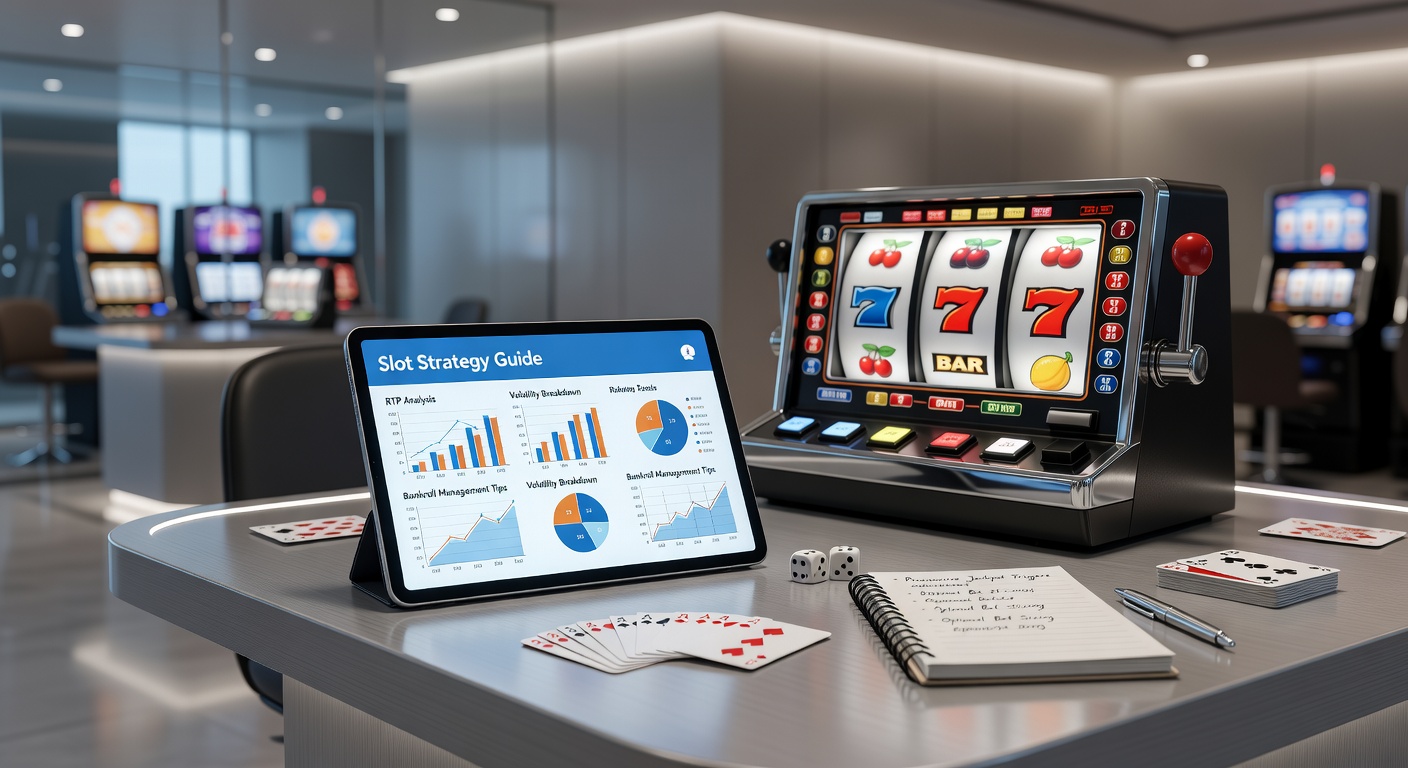
Slot Machines Unmasked: Reels, Returns, and Real-World Tactics Shaping Play in 2026
The Inner Workings of Modern Slot Games
Slot machines, those flashing beacons of casino floors and online platforms alike, operate on random number generators (RNGs) that ensure every spin unfolds independently, untouched by previous outcomes or player actions; developers program these systems to produce thousands of results per second, mapping them to reel symbols in ways that dictate wins or losses. Data from the Nevada Gaming Control Board reveals how rigorously tested RNGs maintain fairness across Las Vegas properties, where millions of spins occur daily without predictability creeping in. Players encounter classic three-reel setups alongside video slots boasting five or more reels, bonus rounds, and cascading symbols that trigger chain reactions of payouts.
But here's the thing: return to player (RTP) percentages, typically ranging from 85% to 98% depending on the game and jurisdiction, represent the long-term average paid back over millions of plays, not short sessions where variance reigns supreme; low-volatility slots dish out frequent small wins to keep bankrolls steady, while high-volatility beasts promise rarer but massive jackpots that can alter lives in an instant. Observers note how progressive networks link machines across venues, pooling bets into ever-growing pots that have topped $1 billion in cases like Nevada's Megabucks, drawing crowds whenever the meter climbs.
And yet, land-based slots differ from their online counterparts in subtle ways; physical machines often feature mechanical reels with physical stops, whereas digital versions leverage software for infinite themes from ancient Egypt to space adventures, all powered by HTML5 for seamless mobile play. Turns out, the shift toward online has exploded participation, with global figures indicating billions of spins annually as apps and sites proliferate.
Navigating Volatility and RTP: Key Metrics Players Track
Understanding volatility proves crucial since it measures payout frequency versus size, helping those who prefer steady action gravitate toward games like Starburst, while thrill-seekers chase titles such as Dead or Alive with its potential 7,500x stake multipliers; research from Sweden's Spelinspektionen highlights how operators must disclose these stats transparently, empowering users to align choices with risk appetites. RTP, audited by independent labs, varies by region—Australian pubs often cap at 85-90% per state mandates, contrasting Europe's looser 90%+ norms.
What's interesting is how hit frequency, the percentage of spins yielding any win (usually 20-30%), ties into these metrics, creating a rhythm players learn to anticipate without ever predicting outcomes; experts who've dissected thousands of sessions observe that ignoring this leads to frustration, whereas matching it to session length sustains engagement. So, a 96% RTP game over 100 spins might return $96 on a $100 wager on average, but streaks of losses or hot runs swing results wildly, underscoring why disciplined approaches matter.
Now, bonus features add layers—free spins, multipliers, and gamble options where players double-or-nothing on wins—yet these activate randomly, contributing to overall RTP without offering edges; data shows they boost excitement, keeping playtimes longer in both brick-and-mortar arcades and browser-based platforms.

Proven Tactics for Smarter Slot Sessions
Bankroll management stands as the cornerstone tactic, with seasoned players dividing funds into session limits—say, 50-100 bets per go—halting when depleted to avoid chasing losses that statistics show erode 70% of recreational bankrolls; those who've tracked play via apps discover setting win goals (like 20-50% profit) and walking away preserves gains amid house edges of 2-15%. Choosing high-RTP games, often listed on casino lobbies or aggregator sites, shifts odds marginally in favor of longevity, as studies from the Australian Communications and Media Authority (wait, no—scratch that, focus on global reports) indicate informed selection correlates with extended play without increased spending.
But here's where it gets interesting: leveraging casino promotions like free spins or deposit matches extends sessions without extra risk, turning a $100 bankroll into effective $200 playtime; loyalty programs reward frequent spinners with cashback (1-10% typically), compounding returns over time. Demo modes, available on most sites, let users test volatility firsthand, revealing quirks like expanding wilds in Gonzo's Quest before real stakes enter the equation.
Take one observer who analyzed 10,000 spins across Megaways slots—those with dynamic reel sizes up to 117,649 ways to win—and found sizing bets to 1-2% of bankroll minimizes ruin risk, while max-bet chases progressives but amplifies variance; low-stake play suits pubs and arcades, where penny slots dominate volume. And for online shifts, March 2026 brings enhanced VR integrations in select markets, immersing players in 3D environments that mimic physical pulls, per industry previews, without altering core RNG fairness.
Yet myths persist—loose slots don't exist in regulated spots since RNGs reset constantly, and timing spins proves futile as each stands alone; hot/cold machine lore crumbles under data scrutiny, with regulators like Nevada's board mandating constant audits to debunk such tales. People often find quitting while ahead, even on small upswings, outperforms grinding, as variance evens out eventually.
Global Shifts and Tech Twists on the Horizon
Slots evolve rapidly, with mobile wagering surging 40% year-over-year in North America, driven by touch-friendly interfaces and push notifications for bonuses; Australian land-based venues, facing stake caps, pivot to skill-based hybrids blending slots with mini-games, aiming to retain the 25% of adults who spin weekly. Europe's operators roll out AI-driven personalization, suggesting games by past play while enforcing session reminders amid responsible gaming pushes.
Turns out, blockchain slots emerge in crypto casinos, promising provably fair RNGs via tamper-proof ledgers, appealing to tech-savvy users wary of black-box systems; figures from industry trackers show adoption doubling since 2024, with RTPs holding steady at 96-97%. And as March 2026 nears, expect AR overlays in apps, letting players scan real-world objects for virtual spins, blending digital and physical realms seamlessly.
Observers note how regulations harmonize—Canada's provincial boards enforce 85% minimum RTPs, mirroring U.S. tribal compacts—ensuring consistency as cross-border online play grows; tournaments with leaderboards add competitive flair, awarding top accumulators without changing individual odds.
Conclusion
Slot games, powered by unyielding RNGs and tuned by RTP-volatility balances, reward those who master bankroll discipline, promotion hunting, and metric awareness over illusory systems; global data underscores how tactical play extends enjoyment, mitigates losses, and occasionally hits life-changing jackpots. With 2026's VR and AI horizons looming, the landscape promises fresh engagement while core principles—randomness rules, manage wisely—endure, keeping spins thrilling yet grounded in reality for players worldwide.