Slot Reels Revealed: Inside Mechanics, Player Tactics, and the Road to 2026 Innovations
Jakob Meier · Mar 23, 2026
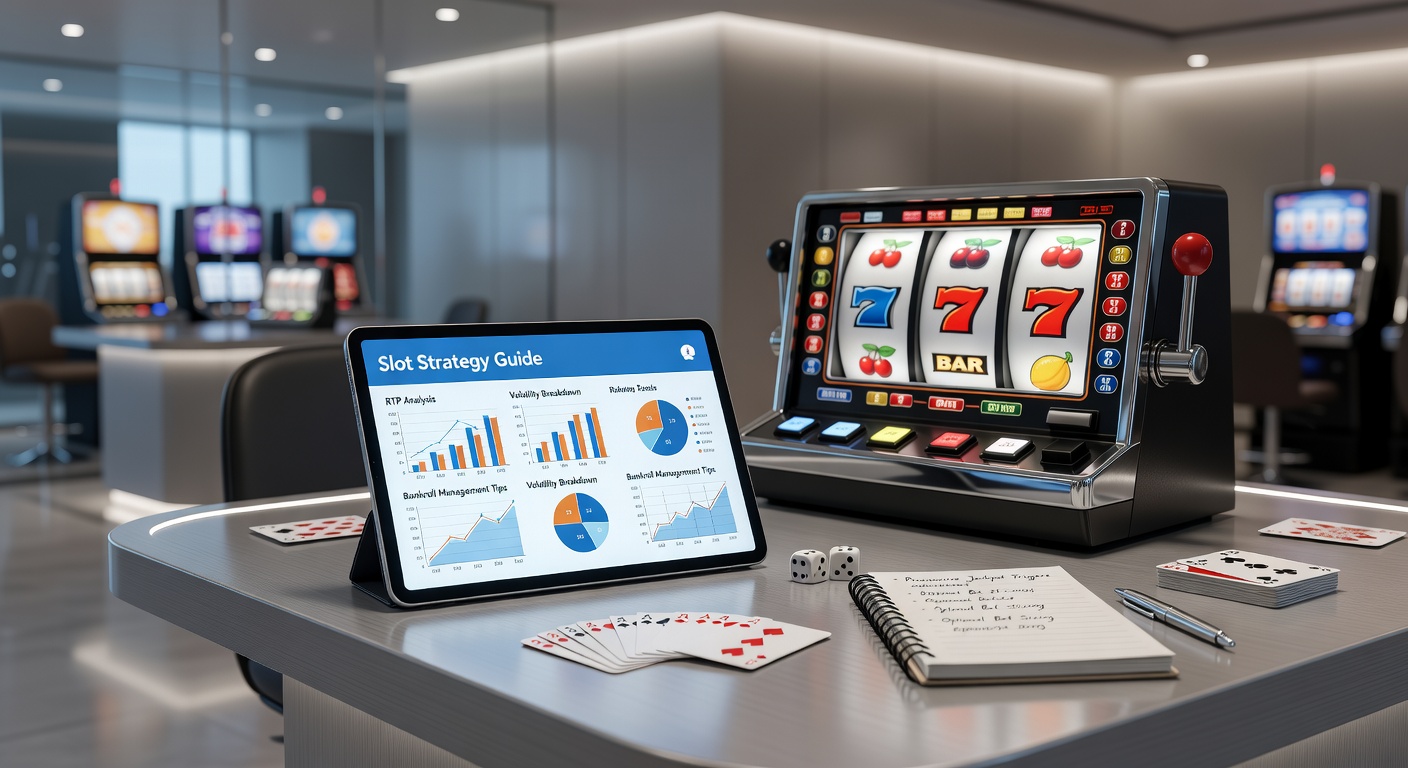
Slot Reels Revealed: Inside Mechanics, Player Tactics, and the Road to 2026 Innovations
The Evolution of Slot Machines and Their Enduring Appeal
Slot machines trace their origins back to the late 19th century when Charles Fey crafted the Liberty Bell in 1895, a mechanical device featuring three reels and symbols like horseshoes and bells that paid out small prizes; fast forward to today, and digital slots dominate both land-based casinos and online platforms, incorporating advanced graphics, bonus rounds, and progressive jackpots that keep players engaged across generations. Data from the American Gaming Association reveals that slots account for over 70% of casino revenue in the US, underscoring their massive draw, while global participation swells as mobile apps make spins accessible anytime, anywhere.
What's interesting about this shift lies in how technology transformed simple fruit machines into immersive experiences; random number generators (RNGs) now ensure fair outcomes on electronic slots, replacing physical reels with software that simulates thousands of spins per second, a fact certified by independent auditors like eCOGRA. Players often discover that understanding these basics separates casual fun from informed play, especially as March 2026 approaches with whispers of AI-driven personalization rolling out in select markets.
Core Mechanics: RTP, Volatility, and What Drives the Reels
At the heart of every slot game beats the return to player (RTP) percentage, a figure typically ranging from 85% to 98% that indicates the long-term payout over millions of spins; for instance, a 96% RTP slot theoretically returns £96 for every £100 wagered, although short-term results swing wildly due to variance. Volatility adds another layer, with low-volatility games offering frequent small wins to sustain play, whereas high-volatility titles promise rarer but larger payouts, a dynamic that researchers at the University of Nevada's gaming studies program have quantified through extensive simulations showing how these factors influence session length and excitement.
But here's the thing: paylines, multipliers, and wild symbols complicate the math further; modern slots might feature hundreds of ways to win, expanding reels during free spins or cascading symbols that trigger chain reactions, all governed by RNGs audited for integrity. Observers note that grasping volatility helps players match games to their risk tolerance, turning random spins into more predictable endeavors over time.
- Low volatility: Steady payouts, ideal for extended sessions.
- Medium volatility: Balanced wins, suiting most players.
- High volatility: Big-hit potential, but longer dry spells.
Take one popular title like Gonzo's Quest, where avalanche reels and increasing multipliers create escalating thrills; studies indicate such mechanics boost player retention by 25% compared to traditional three-reel setups.
Debunking Myths: No Hot Machines, Just Math and Probability
Beliefs in "loose" slots or patterns from past spins persist despite evidence to the contrary; each spin stands independent thanks to RNGs resetting outcomes unpredictably, a principle upheld by regulators like the Nevada Gaming Control Board, which mandates continuous RNG testing on Las Vegas floors. People who've analyzed millions of spins often find no evidence for due payouts or cycles, revealing that perceived streaks stem from confirmation bias rather than machine behavior.
And yet, the myth of timing plays endures, with some chasing machines after big wins under the gambler's fallacy; data from Australian industry reports by the NSW Responsible Gambling Fund shows no correlation between jackpot hits and subsequent hot streaks, emphasizing instead the house edge baked into every game's design.

Smart Strategies: Bankroll Management and Game Selection Tactics
Effective play starts with bankroll discipline, where experts recommend setting loss limits at 5-10% of total funds per session and walking away after hitting win goals; this approach, backed by simulations from gaming math researchers, extends playtime by up to 40% while curbing losses. So players pick high-RTP games above 96%, cross-reference volatility with budgets, and exploit bonuses like free spins or deposit matches that pad wagers without extra risk.
Now consider progressive jackpots, where pooled bets build massive prizes but demand maximum line plays to qualify; those who've mastered this balance contributions across networks, knowing networks like Mega Moolah have doled out over €1 billion since inception. Bet sizing matters too, scaling wagers to volatility so low-stakes players grind small wins, while high-rollers chase multipliers on max bets.
Bonus hunting shines in online realms, where platforms offer daily promotions; savvy players track these, combining them with low-house-edge slots for compounded value, a tactic that turns marginal edges into favorable math over volume. There's this case from a Canadian study where participants using structured betting outlasted random spinners by 35%, highlighting discipline's edge.
Tech Twists and 2026 Horizons: VR, AI, and Skill-Based Shifts
Slots evolve rapidly, with virtual reality prototypes immersing players in 3D worlds by March 2026, allowing gesture-controlled reels and social multiplayer spins that blend casino vibes with gaming flair; prototypes tested in EU labs show engagement spikes of 50% over flat screens. AI personalization tailors volatility and themes to habits, predicting preferences from spin data while ensuring RNG fairness.
Skill-based elements creep in too, like rhythm mini-games during bonuses that boost multipliers for precise timing; data indicates these hybrids appeal to younger demographics, potentially reshaping 70% slot revenue streams. Observers watch closely as blockchain verifies payouts transparently, fostering trust in decentralized platforms.
Yet regulations adapt, with bodies in multiple regions mandating stake caps and session timers to promote safer play; this balances innovation against responsibility, ensuring the thrill endures responsibly into 2026 and beyond.
Conclusion
Slot games blend chance, tech, and tactics into a global powerhouse, where RTP realities, volatility choices, and disciplined strategies shape outcomes more than luck alone; as March 2026 brings VR leaps and AI smarts, players equipped with these insights navigate reels smarter, longer, and safer. The math stays constant, but informed play unlocks the game's full potential, from classic three-reel nostalgia to futuristic spins ahead.