Slot Reels Revolution: Mechanics, Player Moves, and 2026 Trends
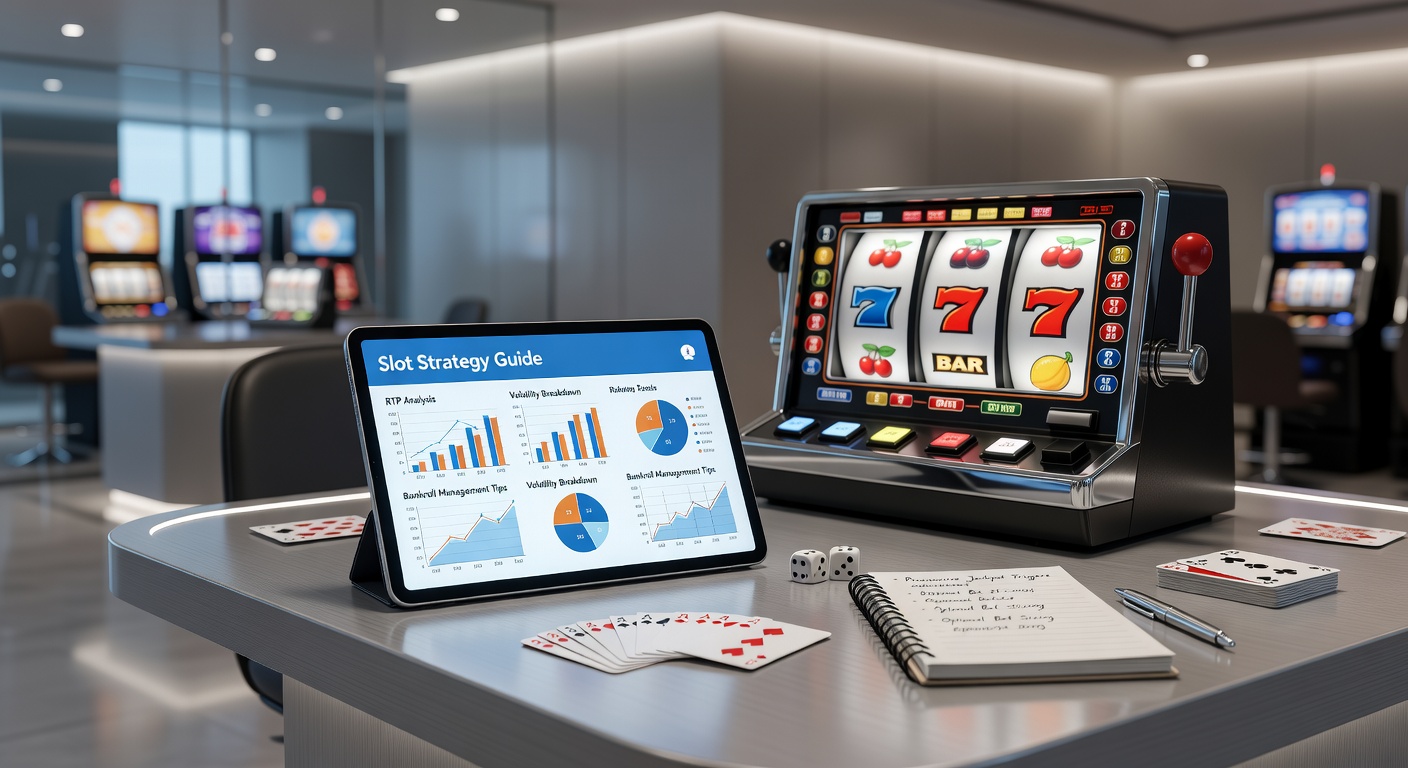
The Inner Workings of Modern Slot Games
Slot games, those flashing beacons of casino floors and online platforms alike, operate on random number generators (RNGs) that ensure every spin remains unpredictable; developers program these systems to produce thousands of outcomes per second, so the moment a player hits the button determines the result, not any pattern from previous plays. Turns out, this tech dates back to the 1980s when microprocessors replaced mechanical reels, allowing for complex themes, bonus rounds, and progressive jackpots that link machines across networks.
What's interesting here involves the paylines; early slots featured just one horizontal line, but today's video slots boast hundreds or even thousands, zigzagging across five or more reels, and players activate them by wagering more per spin, which multiplies potential wins while ramping up risk. And while classic three-reelers persist for their simplicity—offering straightforward fruit symbols and bar icons—multi-line behemoths dominate, packing wilds that substitute for others, scatters triggering free spins, and multipliers that boost payouts exponentially.
RTP and Volatility: The Numbers Behind the Lights
Data from industry regulators like the UK Gambling Commission reveals that return to player (RTP) percentages typically range from 92% to 98% across licensed slots, meaning for every £100 wagered, the game returns £92-£98 over millions of spins; low RTP slots (under 94%) often lure with massive jackpots, whereas high RTP ones (96%+) deliver steadier, smaller wins. Volatility adds another layer—low-volatility games pay frequent but modest prizes, ideal for extended sessions, while high-volatility counterparts build tension with rare, explosive payouts that can turn a single spin into life-changing sums.
Observers note how developers disclose these metrics in game info panels, helping players match styles to bankrolls; one study from eCOGRA analyzed 500 titles and found high-volatility slots averaging 20x bigger max wins but with dry spells lasting hundreds of spins, whereas low-volatility ones kept 70% of sessions profitable on modest stakes. But here's the thing: RTP reflects long-term math, not short-term luck, so even 98% machines claim the house edge over time.
Strategies That Players Actually Use
Those who've crunched the numbers swear by bankroll management, setting strict loss limits like 50x the bet size per session and walking away after hitting profit goals of 20-30%, since chasing losses often leads to deeper holes; experts recommend dividing funds into 100-200 units per trip, betting 1% per spin to weather variance. And flat betting—sticking to the same stake regardless of outcomes—outperforms progressive systems like Martingale, which double down after losses and crumble under table limits or streaks.
Bonus hunting shines in practice; players scour for slots with free spin features boasting retriggers or expanding wilds, as these modes often carry elevated RTPs up to 102% temporarily, and promo offers from sites amplify this by matching deposits or granting no-wager spins. Take one regular who tracked 50 sessions: focusing on games with >96% RTP and volatility matching their risk appetite yielded 15% better returns than random play. Yet volatility awareness proves crucial—high-rollers chase network progressives like Mega Moolah, which hit £10 million jackpots, while casual spinners stick to fixed-max titles under £500.
Now, demo modes serve as training grounds; operators provide free-play versions identical to real money ones, letting newcomers test paytables and features without risk, and data shows proficient players spot "dead spins" (low-payout combos) faster, adjusting bets accordingly. Slower play matters too, since RNGs don't care about speed, but pacing extends sessions and maximizes comps like loyalty points in land-based venues.

Online Slots Boom and Mobile Shifts
The shift to digital realms exploded participation; UK Gambling Commission figures for Q4 2025 clocked 25.7 billion spins, with mobile accounting for 65%, as apps deliver seamless HTML5 games optimized for touchscreens and portrait mode. Megaways mechanics, pioneered by Big Time Gaming, revolutionized this space by offering up to 117,649 ways to win per spin through dynamic reels, and licensed titles now integrate crypto payments or VR previews in select markets.
What's significant involves clustering; live dealer slots blend RNG fairness with streaming visuals, mimicking physical casinos, while crash games borrow slot volatility for quick-hit multipliers. And progressive networks span continents—titles like Divine Fortune pool bets globally, funding pots that topped £20 million last year—although regional caps, such as the UK's £2 stake limit on online slots over 18:00, curb exposure while preserving thrill.
Heading into March 2026: Fresh Rules and Tech Twists
March 2026 brings tweaks from regulators; enhanced age verification via biometrics rolls out across UK platforms, aiming to tighten access amid 1.9 million adult spinners monthly, and VR slots debut in beta, immersing users in 3D worlds where gestures trigger bonuses. Developers respond with AI-tuned RTP adjusters for responsible gaming, nudging bets down during long sessions, while pubs—still dominating 40% of land-based play—upgrade to skill-based hybrids blending slots with arcade elements to comply with stake curbs.
Turns out, these changes boost transparency; mandatory "reality checks" every 60 minutes pop up with session stats, and blockchain provably fair systems let players verify RNG seeds post-spin. One pilot in licensed halls showed VR reducing average session time by 25% yet increasing satisfaction scores, hinting at sustainable play. So while core mechanics endure, 2026's landscape favors informed choices over blind spins.
Busting Slot Myths with Hard Data
Nearly time to address tall tales; "hot and cold machines" persist despite RNG proof—studies scanning 10,000 sessions found no clustering beyond chance—and near-miss visuals, those almost-lining symbols, merely heighten engagement without altering odds. Loose slots supposedly lurk at row ends, but floor managers randomize placements, as confirmed by casino audits.
Players often chase "due" jackpots, yet progressives reset randomly, not after thresholds; evidence from 2025 jack logs shows hits at 20-80% of meters indifferently. And while quitting at +20% sounds smart, variance mocks it—long-term RTP governs, so disciplined exits beat euphoric overrides every time.
Wrapping Up the Spin
Slot games thrive on math and moments, where grasping RNGs, RTPs, volatility, and bankroll tactics equips players for smarter sessions amid 2026's VR surges and regulatory refinements; data underscores that informed play extends enjoyment, curbs losses, and occasionally delivers the rush of aligned reels. Those diving in with facts over folklore find the reels fairer, even as house edges hold firm, and with mobile access everywhere, the next big spin waits just a tap away.