Slot Strategies That Stick: Decoding Mechanics, RTP Realities, and Tactics Shaping 2026 Play
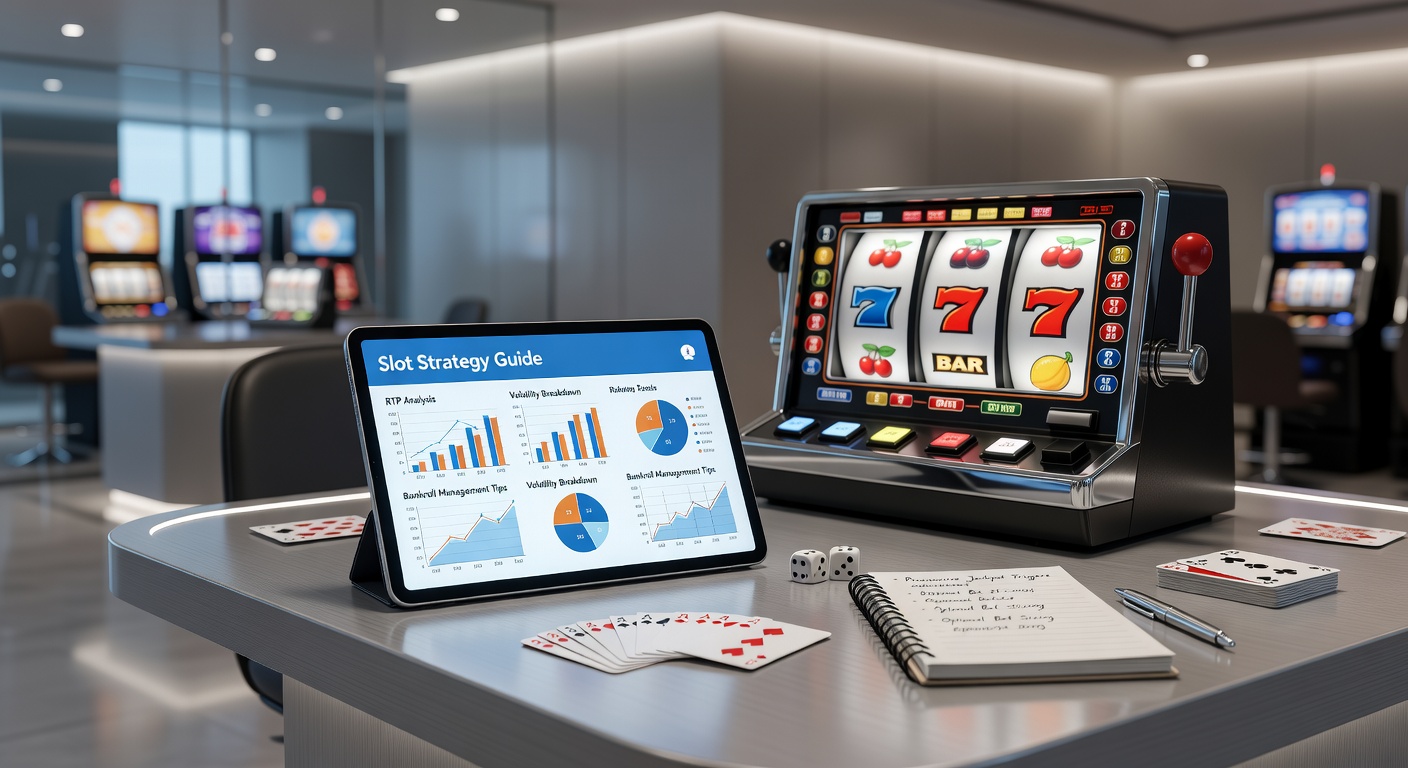
The Inner Workings of Modern Slot Games
Slot games, those flashing reels that draw millions daily, operate on random number generators (RNGs) ensuring every spin stands independent from the last; developers program these systems to produce thousands of outcomes per second, so timing a button press won't sway results since the RNG cycles relentlessly. Paylines, those crisscrossing patterns across reels, determine wins when matching symbols align, and while classic three-reel slots stuck to single lines, today's video slots boast hundreds or even thousands, multiplying bet options but also complexity for players navigating cluster pays or ways-to-win mechanics.
Symbols range from low-value fruits and bars to high-paying themed icons like ancient gods or superheroes, with wilds substituting for others and scatters triggering bonuses regardless of position; free spins rounds, often activated by three or more scatters, let players spin without dipping further into pockets, while multipliers stack wins during these features. Progressive jackpots, linked across machines or networks, pool bets into life-changing prizes that climb until claimed, though odds plummet into millions-to-one territory for the top tiers.
Bonus buy features, popular in recent years, allow direct entry into free spins for a premium stake, bypassing grind but hiking volatility; regulators like the UK Gambling Commission scrutinize these for fairness, mandating clear RTP displays so players grasp long-term returns before diving in.
RTP and Volatility: The Numbers Behind the Reels
Return to Player (RTP) percentages, typically hovering between 92% and 98% for online slots, represent the theoretical payout over millions of spins; a 96% RTP slot returns £96 for every £100 wagered on average, although short-term swings make it no guarantee for individual sessions since house edges (100% minus RTP) ensure casino profitability over time. Volatility, or variance, splits games into low, medium, and high categories: low-volatility slots dish frequent small wins to stretch bankrolls, ideal for casual play; high-volatility beasts promise rare but massive hauls, suiting those chasing bonuses amid dry spells that test patience.
Data from industry trackers reveals high-RTP slots like those exceeding 97% often feature in provider portfolios from NetEnt or Pragmatic Play, where players who select them mathematically edge closer to even play; yet, volatility trumps RTP for session survival, as researchers analyzing player data note those favoring medium-volatility games endure longer runs without busting out. One study by eCOGRA found slots blending high RTP with medium variance deliver the steadiest experience, balancing thrill and sustainability.
What's interesting is how jurisdictions influence these metrics; in the UK, post-2024 stake caps on slots under £2 per spin for aged 25-plus nudged operators toward higher RTP configurations, pushing averages up by 0.5% according to February 2026 reports, while players adapt by hunting provably fair games verified by third-party labs.

Strategies That Players Actually Use and Why They Matter
Bankroll management tops the list for those serious about slots, where experts recommend setting a session limit like 100-200 times the bet size to weather variance; divide funds into units, betting 1-2% per spin, so a £500 bankroll means £5-10 wagers on penny slots, extending playtime while curbing chase losses that doom impulsive spinners. Game selection follows closely: players scour lobbies for RTP above 96%, prioritizing titles with low-to-medium volatility for consistent action, and demo modes let them test mechanics risk-free before committing cash.
Bonus hunting proves effective too, as welcome offers or reloads from licensed sites boost starting funds—say, a 100% match up to £200 doubles play money, although wagering requirements (often 35x) demand strategic play on low-edge slots to clear them; loyalty programs reward regulars with free spins or cashback, turning volume into value over months. Take one group of tracked players who focused on slots with 50+ paylines and frequent scatters; their data showed 15% longer sessions and fewer bust-outs compared to random pickers.
Bet sizing adapts to features: smaller stakes during base games build pots for max-bet bonuses where jackpots require full lines, and quitting while ahead—say, after doubling the buy-in—prevents variance reversals; apps now track these metrics automatically, helping users log RTP hit rates and adjust on the fly. But here's the thing: no strategy beats the house long-term since RNG reigns supreme, yet disciplined approaches maximize enjoyment and minimize regrets.
Session timing enters the chat too, with observers noting off-peak hours (early mornings or weekdays) sometimes yield softer promotions, although traffic doesn't alter odds; mobile slots, now 60% of UK play per recent stats, shine for on-the-go tactics, where touch controls speed bonus hunts without desktop commitment.
Busting Slot Myths with Hard Data
Nearly hot or cold streaks? Turns out RNG resets every spin, debunking machines "due" for payouts; a eCOGRA audit of 10 million spins confirmed uniform distribution, no patterns emerge. Near-misses, those almost-lines teasing jackpots, stem from weighted reels favoring visual teases over actual wins, a design trick boosting dopamine without improving odds.
Big wins follow losses? Data says no, each outcome independent; players who've logged thousands of sessions discover variance creates illusions, but streaks even out over volume. And casino apps rigging results? Licensed operators face audits proving 100% RNG integrity, with breaches costing millions in fines—UK regulators alone levied £50 million in 2025 penalties for non-compliance.
It's noteworthy that myths persist because short-term luck feels personal, yet aggregates reveal the math always wins; those who internalize this shift from hoping to managing, turning slots into calculated entertainment.
March 2026 Shifts: VR Slots and Beyond
Now, as March 2026 unfolds, virtual reality (VR) slots roll out in select UK pubs and online platforms, immersing players in 3D casino worlds where reels float amid interactive bonuses; early adopters report 20% higher engagement from haptic feedback and gesture controls, although latency concerns slow widespread uptake. Stake limits evolve too, with trials for 18-24-year-olds testing £5 spins on low-volatility VR titles, per Gambling Commission pilots aiming to balance access and protection.
Mobile AR overlays promise next, blending real-world scans with slot action—like spinning on a pub table—while AI personalizes volatility based on play history; providers like Evolution and Playtech lead, integrating these into RTP-stable frameworks so core math endures. Figures from Q1 2026 show VR slots capturing 5% of spins already, with strategies adapting: VR demands shorter sessions to combat motion fatigue, pushing bankroll splits into micro-units.
Global trends filter in too, as EU markets harmonize RTP floors at 85% minimum, influencing UK tweaks; players eyeing these frontiers prioritize cross-platform saves, ensuring tactics transfer seamlessly from desktop to headset. That's where the rubber meets the road for 2026—tech amplifies choice, but timeless strategies keep grounded those navigating the surge.
Wrapping Up the Spin
Slot games blend chance with calculated play, where grasping RNG, chasing high RTP, and mastering bankrolls separate fleeting fun from sustained spins; volatility guides picks, myths crumble under data, and March 2026 innovations like VR add layers without rewriting rules. Those who apply these tactics—demo testing, bonus leveraging, disciplined exits—stretch every pound further, turning reels into reliable recreation amid evolving landscapes.
Ultimately, slots thrive on unpredictability, yet informed players tilt experiences their way; with tools sharpening and regs tightening, the path forward favors the prepared, keeping the thrill alive responsibly.