Spinning Forward: Slot Dynamics, Player Tactics, and April 2026 Horizons
Jakob Meier · Apr 11, 2026
Spinning Forward: Slot Dynamics, Player Tactics, and April 2026 Horizons
The Enduring Appeal of Slot Games
Slot games have captivated players for decades, drawing crowds with their blend of simplicity and potential for big payouts; from the mechanical one-armed bandits of the early 1900s to today's digital marvels, they've evolved while keeping core elements intact. Data from the American Gaming Association reveals that slots account for over 70% of casino revenue in the US, underscoring their dominance in both land-based and online venues. Players gravitate toward them because spins require no complex rules—just insert coins or credits, pull the lever or hit spin, and watch symbols align across paylines.
But here's the thing: beneath that straightforward facade lies a world of probabilities and programming that shapes every outcome. Random Number Generators (RNGs) ensure fairness by producing thousands of results per second, determining reel positions the instant a spin begins; regulators like Nevada's Gaming Control Board verify these systems through rigorous testing, confirming no manipulation occurs during play. What's interesting is how this tech has scaled with online platforms, allowing slots to proliferate globally while maintaining certified integrity.
And yet, popularity surges continue; figures from recent industry reports show online slots growing by 15% year-over-year in regulated markets, fueled by mobile access and themed games tied to movies or pop culture.
Core Mechanics That Drive Every Spin
Understanding slot fundamentals starts with Return to Player (RTP) percentages, which indicate the theoretical amount returned to players over millions of spins—typically ranging from 85% to 98%, depending on the game and jurisdiction. High RTP slots, like certain video varieties, promise better long-term returns, although volatility tempers that: low-volatility games deliver frequent small wins, keeping bankrolls steady, whereas high-volatility ones chase rarer massive jackpots with dry spells in between.
Reels, paylines, and symbols form the visual heart; classic three-reelers use single lines, but modern five-reel videos expand to hundreds of ways-to-win, multiplying combinations exponentially. Wilds substitute for others, scatters trigger bonuses without line alignment, and multipliers amp up rewards during free spins rounds—features that researchers at the University of Nevada Las Vegas have analyzed in studies showing they boost engagement by 25%.
Turns out, progressive jackpots add another layer, pooling bets across machines or networks until someone hits the top prize; these can climb into millions, as seen in records like the $39.7 million Megabucks win in 2003, though odds stretch to 1 in 50 million.
Observers note how bonus buys, now common in some regions, let players pay extra for instant access to free spins, altering risk dynamics significantly.

Types of Slots Shaping Player Choices
Classic slots echo Liberty Bell origins with fruit symbols and straightforward play, appealing to nostalgia seekers who prefer low stakes; video slots dominate now, packing immersive graphics, storylines, and interactive bonuses into sessions that feel more like adventures. Megaways mechanics, pioneered by Big Time Gaming, dynamically alter reel sizes for up to 117,649 ways to win per spin, revolutionizing payouts since 2016.
But progressive networks stand out for life-changing potential, linking slots across casinos so pots grow rapidly; branded ties to franchises like Wheel of Fortune or Game of Thrones layer familiarity onto the math. And cluster pays ditch traditional lines altogether, rewarding symbol clusters instead—a shift that's gained traction in Asian markets and beyond.
Online exclusives thrive too, optimized for touchscreens with features like cascading reels that refresh boards after wins, chaining victories in ways land-based can't match.
Tactical Approaches Players Employ
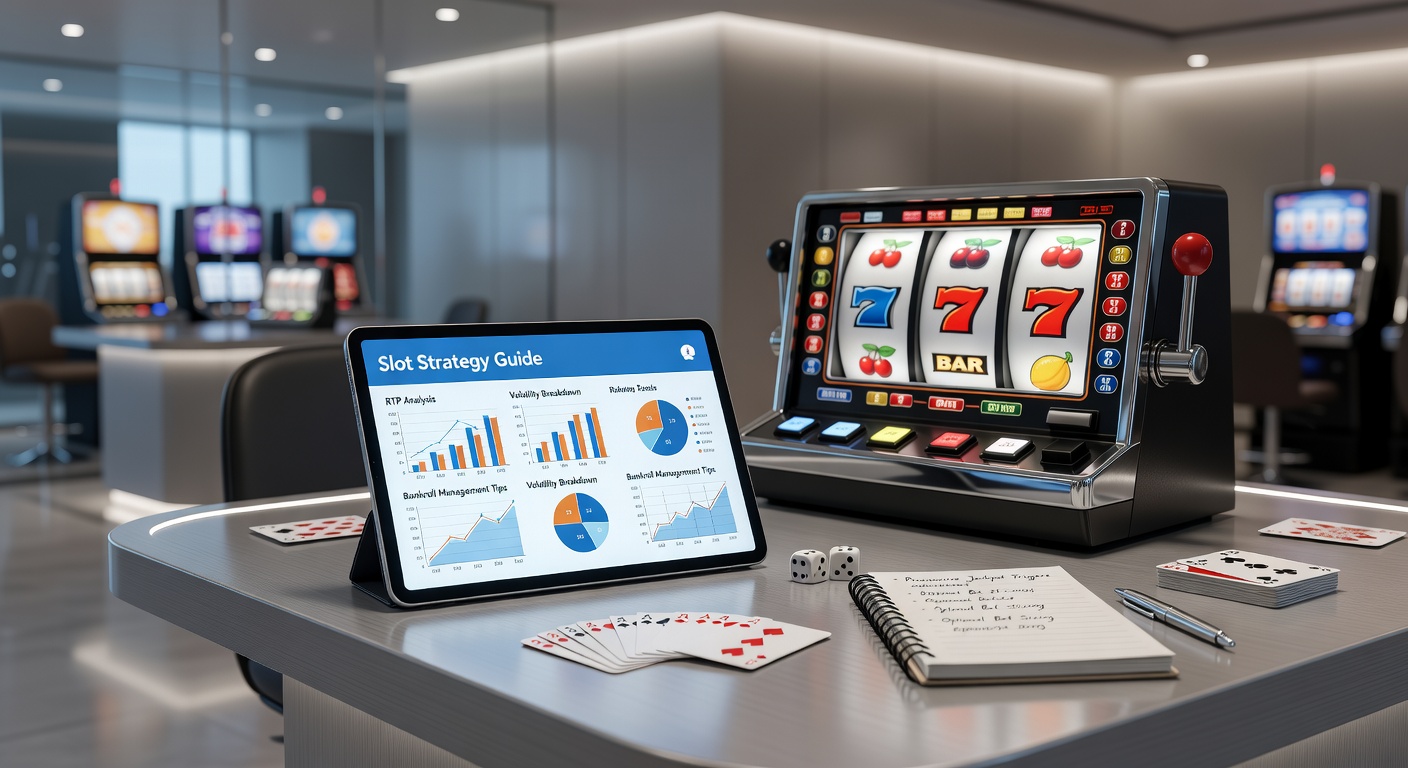
While slots rely on chance, certain tactics emerge from data analysis and player tracking; bankroll management tops the list, with experts recommending session limits of 200-300 times the bet size to weather variance—say, £200 for penny slots. Choosing high-RTP games matters, as research from the Alcohol and Gaming Commission of Ontario indicates they outperform over time in licensed environments.
So players scout paytables for optimal lines, betting max on progressives to qualify for jackpots but scaling down elsewhere; bonus hunting shines in promotions, where free spins or deposit matches extend play without extra risk. What's significant is volatility matching: conservative types pick steady payers, thrill-seekers chase high swings.
Take one study from Swedish researchers who tracked 10,000 sessions; it found those pausing after doubling bankrolls or hitting loss limits preserved funds 40% longer than unchecked spinners. And demo modes let newcomers test mechanics risk-free, building familiarity before real stakes.
Yet timing myths persist—hot and cold machines don't exist thanks to RNG resets per spin—but session timing aligns with peak bonus drops in some titles, per developer logs.
Navigating Bonuses and Promotions
Casinos lure with welcome packages up to 200% matches plus free spins, but wagering requirements—often 30-50x—demand scrutiny; players who read terms avoid pitfalls, cashing out faster. Loyalty programs reward regulars with cashback or tiered perks, turning volume into value over months.
Here's where it gets interesting: no-deposit bonuses offer trial runs, while cashback softens losses at 5-20% rates. Observers who've crunched numbers see compounded edges when stacking these with high-RTP selections.
April 2026 Shifts on the Horizon
Regulators and developers eye April 2026 for pivotal changes, including broader AI integration for personalized volatility adjustments and enhanced RNG audits across EU and North American markets. Figures suggest VR slots will roll out wider, immersing players in 3D worlds via headsets; trials in Australia already show 30% longer sessions without fatigue spikes.
Blockchain verification gains steam too, promising provably fair play where players audit outcomes on public ledgers—a move piloted by Malta-based innovators. And skill-based hybrids blend slots with mini-games, potentially softening house edges in jurisdictions like those overseen by Australia's state commissions.
That said, tighter age verification and spend caps loom, balancing innovation with player protection as global play hits new highs.
Conclusion
Slot games blend chance, tech, and tactics into an ever-evolving pursuit where informed choices sharpen edges; from grasping RTP and volatility to leveraging bonuses and eyeing 2026 advancements, players equip themselves for sustained spins. Data underscores that disciplined approaches extend enjoyment, while regulatory horizons promise fairer, flashier futures—keeping reels turning responsibly across borders.