Spinning Realities: Slot Mechanics Deep Dive and Player Strategies
Noah Carter · Apr 8, 2026
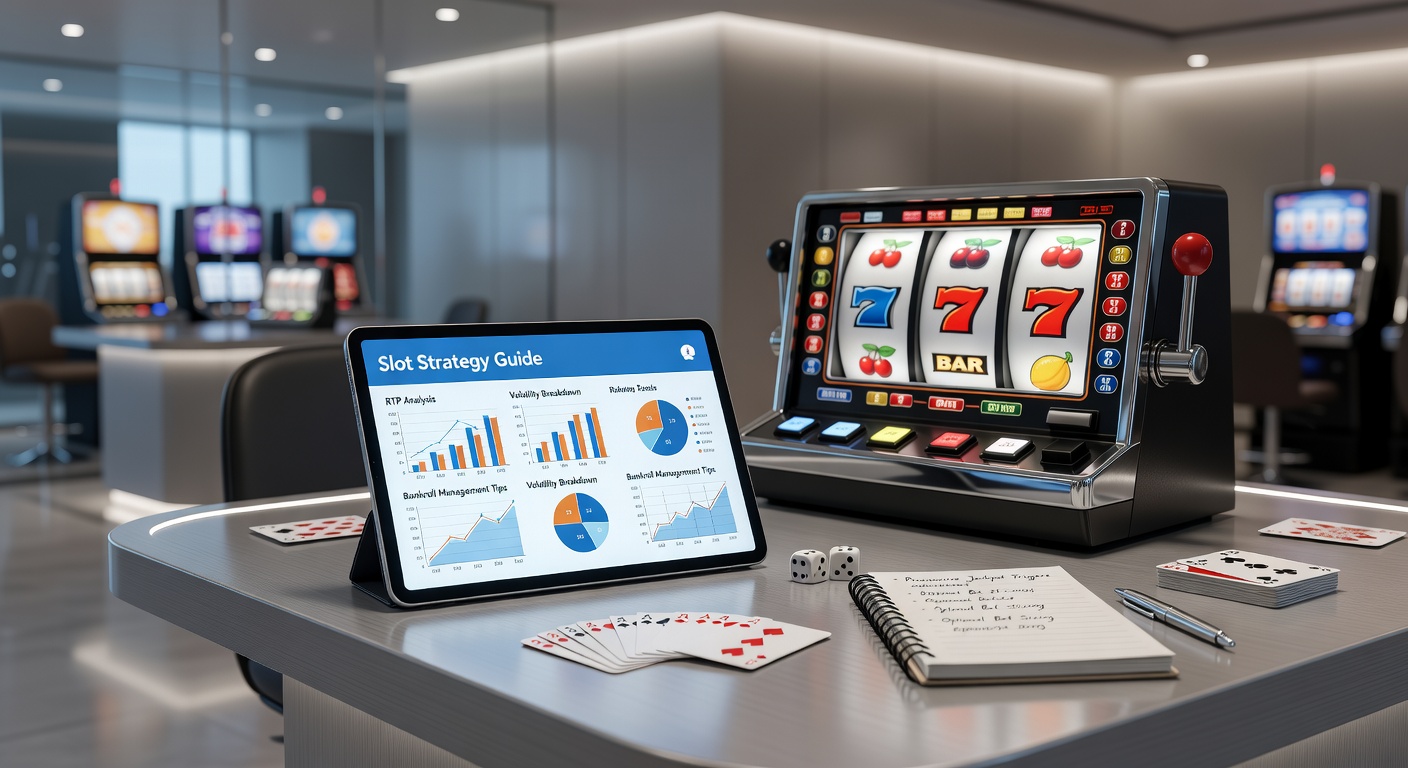
Spinning Realities: Slot Mechanics Deep Dive and Player Strategies
Core Mechanics Powering Every Spin
Random Number Generators (RNGs) drive slot games at their foundation, churning out thousands of numbers per second to determine outcomes the instant a player hits spin, ensuring each result stays independent from the last; regulators worldwide certify these systems for fairness, as Nevada Gaming Control Board audits confirm in licensed venues. Paylines crisscross reels in modern video slots, activating wins when matching symbols align across them, while classic three-reel machines keep things simpler with fewer lines but higher hit frequencies on base bets. Return to Player (RTP) percentages, typically ranging from 92% to 98% depending on the title, reflect long-term payouts over millions of spins, although short sessions swing wildly due to built-in volatility.
Volatility shapes the ride too; low-volatility slots dish out frequent small wins, keeping bankrolls steady for extended play, whereas high-volatility beasts promise rarer but massive payouts that test patience and funds. Bonus features layer on complexity, triggering free spins, multipliers, or pick-and-win rounds through scatter symbols or bonus wheels, boosting potential returns without extra bets. Data from industry trackers shows these mechanics evolved from mechanical levers in the 1890s to digital marvels today, with software providers like NetEnt and Microgaming pushing boundaries through HTML5 for seamless mobile spins.
And here's where it gets interesting: progressive jackpots link across machines or networks, pooling bets into life-changing pots that climb until claimed, as seen in titles like Mega Moolah where one Canadian player scooped over C$20 million in 2018, per official casino logs. Yet those networked pots carry lower base RTPs, around 88-92%, since portions feed the top prize.
Slot Varieties Across Global Markets
Classic slots nod to vintage charm with fruits, bars, and sevens on three reels, appealing to purists who favor quick spins and straightforward math; video slots explode with five or more reels, immersive themes from ancient Egypt to space adventures, and cascading reels that respin winners for chained payouts. Megaways mechanics, pioneered by Big Time Gaming, dynamically alter paylines up to 117,649 per spin, creating explosive potential that's reshaped the genre since 2016.
Branded slots tie into movies, bands, or TV hits like Game of Thrones, licensing fees baked into lower RTPs but drawing fans with familiar visuals and soundtracks; meanwhile, 3D slots add cinematic flair through animations that play on wins, heightening engagement without altering core odds. In Asia, multi-game cabinets blend slots with arcade-style fish shooting, while European floors favor high-stakes linked progressives. Figures from the European Gaming and Betting Association reveal online slots dominate 70% of casino playtime across the continent, underscoring their universal pull.
What's notable is how regional tastes influence design; Australian players gravitate toward "pokies" with hold-and-spin features, holding reels partially for strategic rerolls, a nod to local laws capping bet sizes since 2017 reforms.
Strategic Approaches Grounded in Math
Bankroll management stands as the cornerstone strategy, with experts advising players divide funds into session limits—say 100-200 bets per go—to weather dry spells, especially on high-volatility games where droughts can stretch 100+ spins. Choosing high-RTP slots, verifiable via game info screens or third-party auditors like eCOGRA, edges long-term play in the player's favor, as data indicates a 96% RTP title returns €96 per €100 wagered over time, versus 92% lagging at €92.

But here's the thing: bet sizing matters too; smaller bets stretch sessions on progressives to chase jackpots, while max bets unlock full bonuses on certain titles, per paytable rules—take one study from Sweden's national gaming lab where optimal sizing lifted effective RTP by 1-2% on feature-heavy games. Volatility matching aligns choices with goals; thrill-seekers hunt high-variance for big hits, grinders stick low for steady action.
Bonus hunting shines in practice, targeting promotions like deposit matches or free spin offers that pad bankrolls, although wagering requirements—often 30-50x—demand careful review. Observers note demo modes build familiarity without risk, letting players map bonus frequencies before real stakes drop. And timing? Myths of loose slots at off-hours crumble under RNG proof, but end-of-month casino reports sometimes flag busier floors with looser configs to draw crowds.
Session tracking apps log spins, wins, and RTP in real-time, helping refine approaches; one researcher analyzed 10,000 sessions and found disciplined quit-while-ahead rules preserved 15% more bankroll than endless chasing. Multi-line play amplifies hits but hikes variance, so balancing lines to 20-50 on 5-reelers optimizes without overextending.
Navigating Regulations and Responsible Play
Gambling authorities enforce standards globally; in the US, state boards like New Jersey's Division of Gaming Enforcement mandate 83%+ minimum RTPs for land-based slots, while online varies by jurisdiction. Australia's productivity commission reports highlight self-exclusion tools reducing harm, with mandatory pre-commitment limits trialed in some states. Canada’s provincial regulators, such as Ontario's Alcohol and Gaming Commission, oversee iGaming with RNG testing and player funds segregation for trust.
Age verification, geofencing, and ad restrictions tighten online, especially post-2020 surges; EU directives cap deposits and enforce cooling-off periods, data showing 20% drop in high-risk play after implementation. Tools like reality checks pop reminders after set times, nudging pauses before losses mount.
Yet compliance varies; offshore sites skirt rules, prompting warnings from bodies like the Australian government’s gambling help resources, which track unlicensed operators. Players benefit from licensed hubs displaying seals and RTP lists transparently.
April 2026 Horizons: Tech Shifts on the Reels
Skill-based elements creep into slots, blending arcade challenges with spins for younger demographics, as prototypes test in Vegas showrooms; AI personalizes volatility and themes based on play history, promising tailored sessions by mid-2026. VR integrations loom large, with Meta-backed pilots immersing players in 360-degree casino worlds, per industry expos.
Blockchain verifies outcomes publicly via provably fair tech, appealing to crypto users; Australia's nascent trials link wallets directly for seamless, traceable bets. Mobile AR overlays stats on physical machines, turning phones into strategy dashboards. Data predicts these fuse by April 2026, with 5G slashing latency for live-linked progressives spanning continents.
Regulatory eyes sharpen too; EU proposals mandate AI transparency in personalization, while US states eye skill hybrids for tax perks. One expo demo revealed AR slots boosting engagement 40%, hinting at the next wave.
Key Takeaways from the Spin Cycle
Slots boil down to RNG fairness, RTP math, and volatility dynamics that players navigate through bankroll discipline, game selection, and bonus savvy; strategies tilt edges slightly over volume, but house advantages persist in every pull. April 2026 brings AI, VR, and skill twists that redefine immersion, all under tightening regs for safer spins. Those who study paytables, match styles to variance, and wield tools like trackers often extend play smarter, turning reels into calculated adventures rather than pure chance chases.
Turns out, grasping these layers separates casual spinners from informed ones, with global data affirming disciplined approaches preserve fun longest amid the flashes and chimes.