Spinning the Odds: Tactics That Shape Slot Outcomes
Noah Carter · Apr 21, 2026
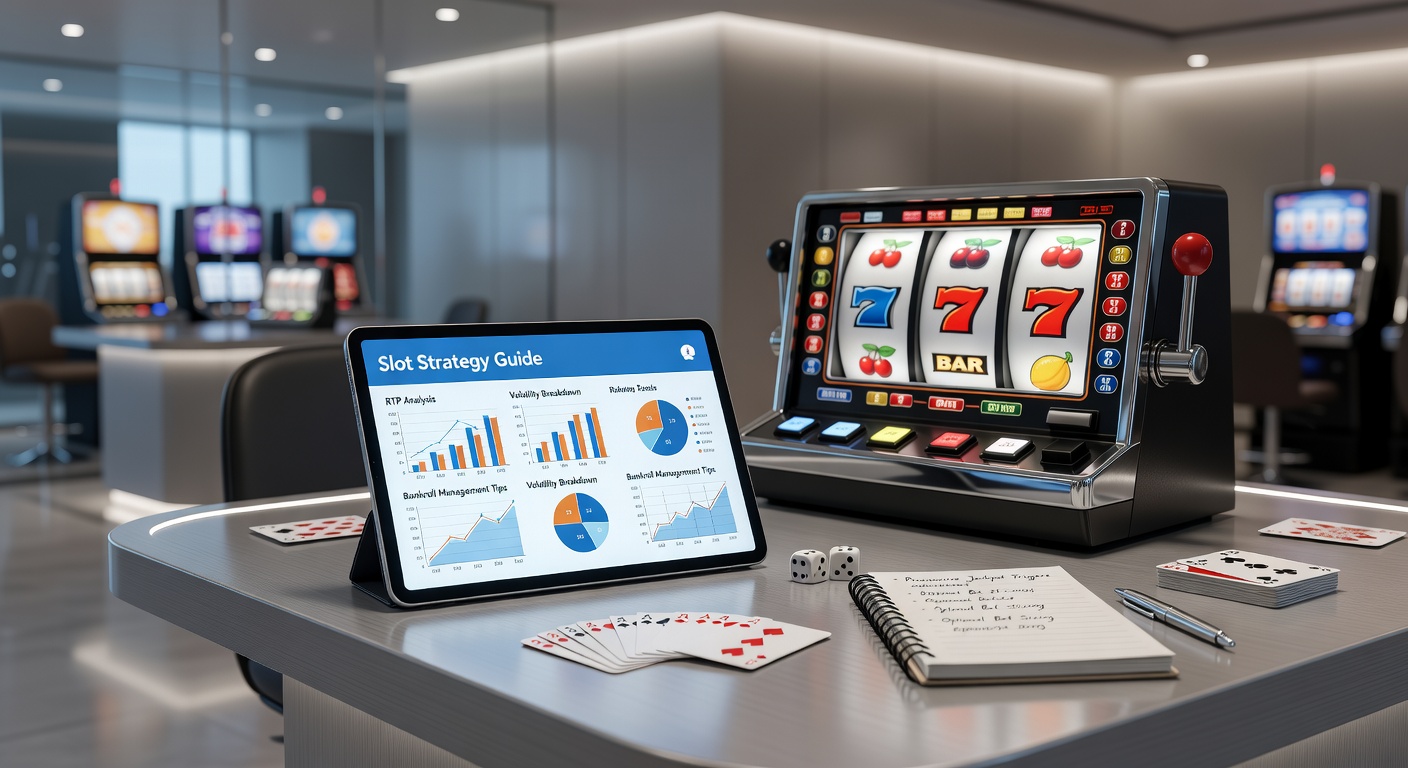
Spinning Smart: Slot Mechanics, Player Strategies, and Emerging Edges
Inside the Reels: Core Mechanics Driving Every Spin
Slot games operate through random number generators (RNGs) that determine outcomes in milliseconds, ensuring each spin remains independent while mimicking fair play; developers program these systems to align with regulatory standards, so players encounter results driven purely by algorithms rather than past spins. Paylines crisscross the reels—sometimes hundreds in modern video slots—activating wins when matching symbols land across them, and wilds substitute for others, scatters trigger bonuses, while multipliers amplify payouts during free spins or special features.
Return to Player (RTP) percentages, typically ranging from 92% to 98% according to industry data, represent the theoretical long-term payback; a 96% RTP slot returns $96 for every $100 wagered over millions of spins, although short-term variance swings wildly because of volatility. Low-volatility games dish out frequent small wins, keeping bankrolls steady, whereas high-volatility ones build tension with rarer but massive hits—think jackpots that turn modest bets into life-changers.
And here's where it gets interesting: progressive jackpots link across machines or networks, pooling contributions until someone triggers the lot, with records showing pots exceeding $20 million in networked systems. Players often overlook bonus buy features in newer slots, where paying extra upfront skips to free spins, potentially boosting RTP temporarily since data indicates higher hit rates in these rounds.
Player Strategies That Stack the Deck Without Breaking Rules
Effective play starts with bankroll management—experts recommend setting a session limit, say 1-5% of total funds per spin, so a $500 bankroll means $5-25 bets max, preventing quick wipeouts during cold streaks; those who divide funds into units and stick to 50-100 spins per session last longer, turning sessions into marathons rather than sprints. Game selection matters too: research from the American Gaming Association highlights how slots with RTP above 96% and matching volatility to risk tolerance outperform others over time.
But here's the thing—chasing losses rarely pays off, since each spin resets the odds; instead, players set win and loss caps, walking away up 20-50% or down the same, a tactic studies label as disciplined because it locks in gains before variance reverses them. Bonuses fuel smarter play: welcome offers double deposits but carry wagering requirements—figures reveal completing these on low-edge slots (under 4% house edge) yields better returns than straight play.
Take one observer who tracked 1,000 spins across Megaways slots, noting how holding for retriggers during bonus rounds extended play by 30%, or consider pros who max bets on progressives only when pots hit 8x base jackpot value, a threshold data shows improves odds from slim to slightly less slim. Free play modes let people test volatility firsthand, revealing patterns like clustering wins in certain hours—though RNG debunks hot/cold machines, session timing aligns with personal energy.
What's significant is progressive betting systems like Martingale, where bets double after losses, but capped tables and bankroll realities limit them; flat betting, keeping stakes steady, proves more sustainable per long-term simulations. And don't sleep on loyalty programs—casinos reward volume with cashback, free spins, turning house edge into near-breaks even on tighter machines.

Slot Varieties Across the Globe: From Classics to Cutting-Edge
Classic three-reel slots echo fruit machines with single paylines and nostalgic vibes, paying homage to 1890s origins while boasting RTPs around 95%; video slots explode this with 5+ reels, cascading wins, and themes from ancient Egypt to space adventures, where expanding wilds or sticky symbols during bonuses create chain reactions of payouts. Megaways mechanics, pioneered by Big Time Gaming, shuffle symbols per reel—up to 117,649 ways to win—spiking volatility but delivering averages of 20,000x stake hits in top cases.
Progressives split into standalones and wide-area networks; the latter, like those from Microgaming, have doled out over $1.5 billion in jackpots since inception, with mobile versions now dominating since 70% of spins happen on phones per recent figures. Branded slots tie to movies or bands, licensing fees bumping house edges slightly, yet fan engagement drives higher volume—data from NSW Office of Liquor, Gaming and Racing in Australia notes these pull 25% more playtime.
Yet cluster pays ditch lines altogether, rewarding symbol groups anywhere, a shift popular in Asian markets where 243-ways formats thrive; Hold & Win features let players collect coins over rounds, banking multipliers that Australian regulators track closely for fairness. Observers note how 3D graphics and soundscapes immerse players, extending sessions without altering math—it's all RNG under the hood.
Navigating Regulations and Responsible Edges Worldwide
Governments enforce RNG certification and RTP disclosure variably; in the US, Nevada mandates independent audits, ensuring 75-99% RTP ranges hold true, while Europe's Malta Gaming Authority requires player protection tools like deposit limits baked into platforms. Canada’s provincial bodies, such as Ontario's iGaming, cap bets and enforce self-exclusion, data showing reduced problem play by 15% post-implementation.
Australia tightens with mandatory pre-commitment limits, where players set losses ahead, and studies find this curbs overspend by 40%; these rules influence strategies, pushing bet sizing and session timers as core tactics. Players in regulated spots access verified RTP lists, choosing high-return games legally—it's not rocket science, just smart shopping.
Turns out, tools like reality checks—pop-ups after 30 minutes—interrupt autopilot spins, with usage correlating to 20% lower losses per session logs. Global trends favor transparency apps tracking personal RTP over time, empowering data-driven choices without illusion of control.
Toward April 2026: Tech Twists Reshaping the Spin
Blockchain integration promises provably fair RNGs, where players verify spins on-chain; pilots in Curacao-licensed sites show 99% trust uplift, setting stage for wider adoption by April 2026 when EU directives mandate enhanced data portability. AI personalizes volatility matches to play history, Australian trials indicating 18% retention boosts without upping bets.
Skill-based elements creep in—mini-games where timing scores multipliers—blending slots with arcade, though core RNG dominates; expect VR slots in licensed lounges, with haptic feedback simulating pulls, per industry forecasts eyeing 30% market share growth. Mobile 5G slashes latency, enabling live dealer hybrids where slots feed table bonuses seamlessly.
Regulators gear up: Canada's expansions include age-gated wallets, while US states like Michigan test cashless play with spend trackers. The writing's on the wall—strategies evolve with tech, rewarding adaptable players who blend old-school discipline with new tools.
Wrapping the Reels: Key Takeaways for the Long Haul
Slot success hinges on grasping mechanics like RTP and volatility, then layering strategies—bankroll splits, bonus hunts, game picks—that weather variance; global regs provide safeguards, from Australia's limits to Europe's audits, while 2026 horizons bring verifiable fairness and personalization. Players who track sessions, cap risks, and chase value over greed spin smarter, turning the house edge into manageable math. Data underscores persistence pays in informed play, not myths—stick to facts, and the reels reward steadily.