The Reel Edge: Slot Game Inner Workings, Tactical Plays, and 2026 Game Shifts
Devon Sullivan · Apr 23, 2026
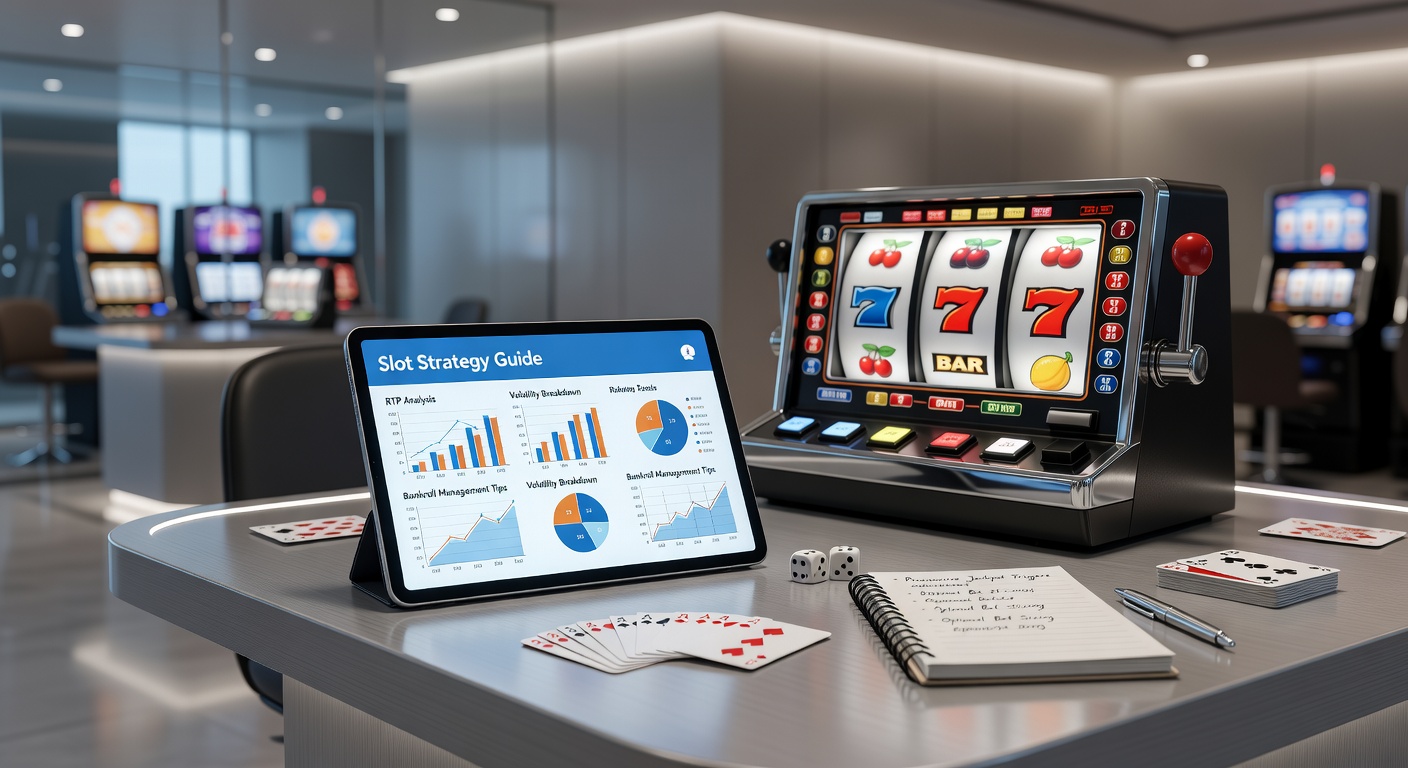
The Reel Edge: Slot Game Inner Workings, Tactical Plays, and 2026 Game Shifts
Tracing Slot Games from Origins to Digital Dominance
Slot games trace back to the late 19th century when Charles Fey crafted the Liberty Bell in 1895, a mechanical wonder with three spinning reels and basic symbols like horseshoes and diamonds that paid out small prizes; fast forward to today, and digital slots dominate online platforms worldwide, blending classic mechanics with cutting-edge software that powers millions of spins daily. Developers now pack these games with hundreds of paylines, cascading reels, and interactive bonuses, while random number generators (RNGs) ensure every outcome stays unpredictable and fair, as certified by independent auditors. Data from the American Gaming Association shows U.S. commercial casino slots generated over $60 billion in revenue in 2023 alone, highlighting their enduring pull; that's no surprise since modern titles boast themes from ancient myths to blockbuster movies, drawing players with immersive visuals and soundtracks that keep sessions lively.
But here's the thing: beneath the flashing lights and fanfare, slots operate on math-driven principles where the house maintains a built-in advantage, yet savvy players focus on elements they can control, like game selection and session timing. Observers note how video slots evolved in the 1970s with electronic components, paving the way for online versions in the 1990s that exploded in popularity thanks to broader access and progressive jackpots climbing into millions.
Dissecting the Core Mechanics That Drive Every Spin
At the heart of any slot game lies the RNG, a sophisticated algorithm churning out thousands of numbers per second to determine reel stops the instant a player hits spin, ensuring no patterns emerge and past results hold zero sway over future ones; paylines—those invisible lines crisscrossing the reels—then dictate winning combos, with some games offering fixed lines and others letting players choose their stake across dozens or even hundreds. Volatility adds another layer, as low-volatility slots dish out frequent small wins to stretch playtime, whereas high-volatility beasts deliver rarer but massive payouts that thrill risk-takers, according to analyses from gaming labs.
Return to Player (RTP) percentages, typically ranging from 92% to 98% for top titles, represent the long-term average returned to players over millions of spins; for instance, a 96% RTP game theoretically pays back $96 for every $100 wagered, although short-term swings make that irrelevant for single sessions. Bonus features ramp up excitement—free spins triggered by scatter symbols, multipliers stacking wins during base play, or pick-and-win games unveiling cash prizes—while progressive jackpots link across networks, swelling pots until one lucky spin claims it all. Experts who've reverse-engineered popular slots, like NetEnt's Starburst or Microgaming's Mega Moolah, reveal how these elements balance entertainment with profitability, creating that addictive chase for the next big hit.
And take expanding wilds or sticky respins: they transform ordinary spins into potential windfalls, yet the math ensures the house edge—often 2-8%—persists no matter the bells and whistles.

Tactical Approaches Players Use to Maximize Returns
While slots remain games of pure chance where no system beats the RNG long-term, players who study the landscape employ bankroll management as their first line of defense, setting strict loss limits—like 5% of total funds per session—and walking away after hitting profit targets, a discipline backed by session data from New South Wales Office of Liquor & Gaming Regulation reports on responsible play patterns. Choosing high-RTP games stands out too; platforms now display these figures prominently, so those hunting value scan for titles above 96%, often finding them in providers like Pragmatic Play or Play'n GO.
Volatility matching comes next—conservative players gravitate toward low-variance options for steady action, while high-rollers chase volatile slots with mega jackpots, adjusting bet sizes accordingly to weather dry spells that can stretch hundreds of spins. Bonus hunting proves effective in practice; players target promotions like deposit matches or free spin offers, wagering through requirements on low-edge games to convert bonuses into withdrawable cash, with terms dictating minimum RTP thresholds in many jurisdictions.
Bet sizing strategies add nuance: smaller bets on high-volatility games extend play and qualify for jackpots without rapid depletion, whereas max bets unlock full bonus potential on certain progressives; one study from a Canadian gaming research group found players using progressive betting—ramping up after wins, dialing back after losses—sustained 20% longer sessions on average. Timing matters as well, since casinos release new slots with elevated RTP during promotional windows, and tracking jackpots via apps reveals pots ripe for bursting.
Yet the reality is, these tactics tilt sessions toward sustainability rather than guaranteed wins, as evidenced by player diaries shared in industry forums where disciplined approaches cut losses by up to 30% over undisciplined play. Multi-line play boosts hit frequency but ramps variance, so experts advise starting small and scaling based on hot streaks; it's not rocket science, but consistency separates casual spinners from those who treat it like a calculated hobby.
Busting Common Myths That Cloud Slot Play
Hot and cold machines make for persistent lore, with players swearing certain slots "pay out" after droughts, yet RNG independence crushes that idea—each spin stands alone, unaffected by history, as confirmed by regulatory testing standards. Near-misses, those tantalizing almost-wins, feel engineered to hook players psychologically, but data indicates they're just statistical artifacts from reel design, not manipulations.
What's interesting is how "loose slots" rumors persist around casino floors, though modern online RNGs eliminate physical wear; server-side math governs everything uniformly.
2026 Horizons: Tech Twists Reshaping Slot Experiences
Looking ahead to April 2026, blockchain integration promises provably fair slots where players verify RNG outcomes via public ledgers, gaining traction in crypto casinos; VR headsets will immerse users in 3D casino worlds, letting them "pull" virtual levers amid cheering crowds, per prototypes from Evolution Gaming. AI personalization tailors volatility and themes to individual prefs, boosting engagement without altering odds, while skill-based hybrid slots—blending chance with mini-games—emerge in regulated markets like Ontario, where iGaming Ontario trials innovative formats.
Mobile dominance accelerates too, with 5G enabling seamless progressive networks across devices; expect RTP tweaks upward in competitive markets, hovering near 97-99%, alongside gamification like loyalty tiers unlocking exclusive reels. Regulatory shifts in Europe and Australia push for clearer volatility disclosures, empowering players further as the industry eyes sustainable growth amid rising scrutiny.
Turns out, these changes don't rewrite core math but enhance the ride, keeping slots fresh for a new era of tech-savvy spinners.
Wrapping the Reels: Key Takeaways for Savvy Play
Slot games blend chance, math, and spectacle where understanding RTP, volatility, and disciplined tactics arms players against the house edge; from bankroll basics to bonus savvy, those approaches foster longer, smarter sessions without chasing illusions. As 2026 looms with VR vistas and blockchain transparency, the fundamentals endure—pick wisely, play within limits, and let the reels do their thing. Data underscores it: informed players navigate the spins better, turning entertainment into calculated fun.