UK Remote Gaming Faces Massive Tax Jump to 40% in April 2026 Alongside Stake Caps and Black Market Push
Felix Roth · Mar 27, 2026

UK Remote Gaming Faces Massive Tax Jump to 40% in April 2026 Alongside Stake Caps and Black Market Push
Operators in the UK's remote gaming sector brace for seismic shifts as the Remote Gaming Duty (RGD) surges from 21% to 40% starting April 1, 2026, targeting revenue from online slots and casino games; this hike, coupled with the outright abolition of Bingo Duty, forces adjustments in bonuses, marketing spends, and profit margins across the board.
The Tax Overhaul Reshaping Remote Gaming
That said, the RGD increase hits remote gaming hardest, where platforms offering slots, blackjack, roulette, and other casino staples must now contend with nearly double the previous tax burden; figures from industry watchers reveal that this change alone could squeeze operator profitability, prompting many to rethink promotional strategies that have long drawn in players.
But here's the thing: Bingo Duty vanishes entirely on the same date, a move that lightens the load for operators blending bingo with slots or casino offerings, although experts note the overall tax environment grows tougher for pure remote gaming plays. Operators like those running major online casinos report early plans to trim bonus values—think welcome offers dropping from 100% matches to slimmer percentages—while dialing back aggressive marketing campaigns that once flooded social feeds and emails.
What's interesting is how this ties into broader fiscal pressures; government data indicates the RGD hike aims to capture more revenue from a booming sector, where remote gaming gross gambling yield topped billions in recent years, yet operators counter that thinner margins might push some activity underground if not managed carefully.
Tiered Stake Limits Roll Out Earlier in 2026
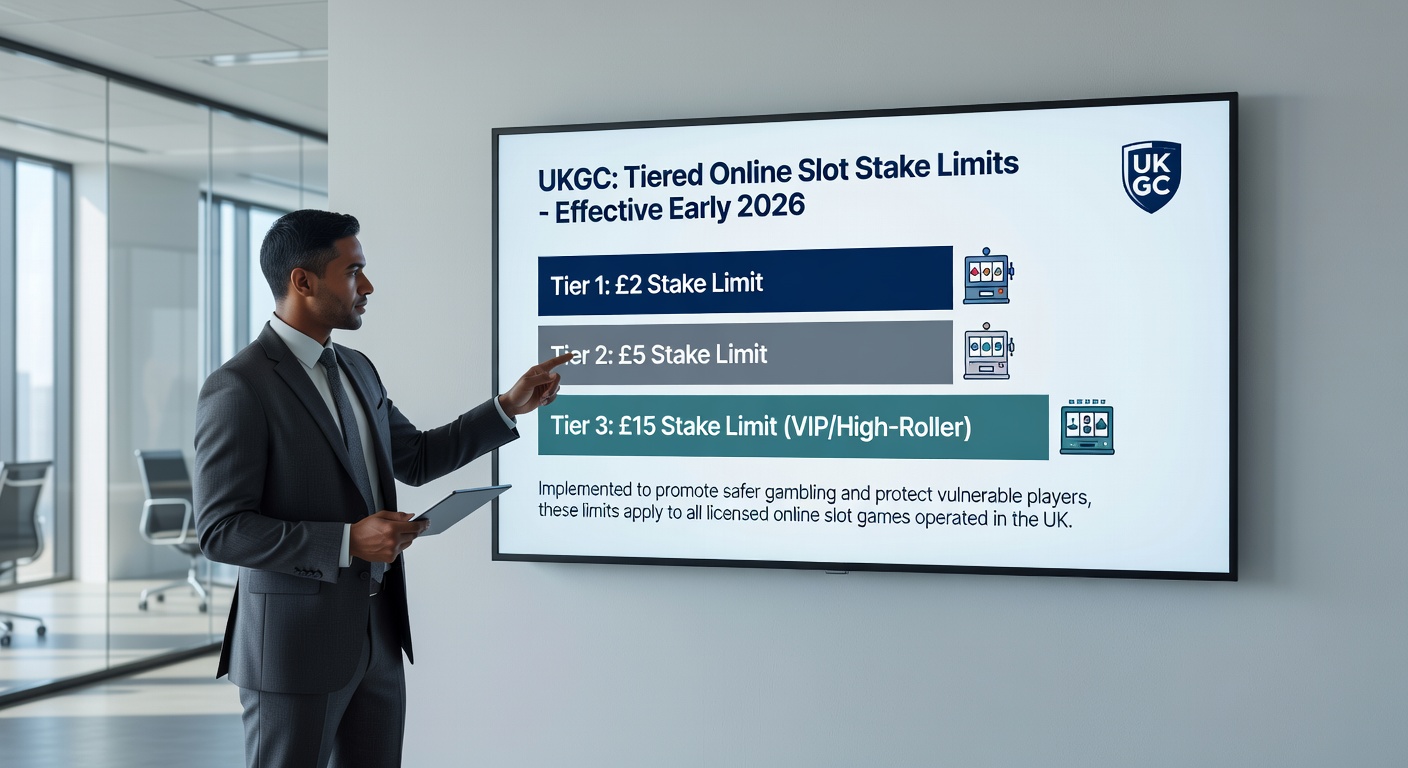
The UK Gambling Commission (UKGC) wasted no time enforcing tiered statutory stake limits on online slots back in early 2026, setting £2 per spin for players aged 18-24 adn £5 for those 25 and older; this measure, building on prior consultations like the Deposit Limit Rules Consultation, standardizes protections across licensed sites.
Players who've tested these limits often find the age-based tiers nudge younger users toward lower-risk play, while data from March 2026 compliance checks shows operators swiftly updating software to enforce spins in real time; one case saw a major platform halt high-stake sessions mid-session for under-25s, avoiding hefty fines that now loom larger under intensified scrutiny.
And while some grumble about the caps curbing thrill, researchers point to early stats indicating reduced session times for the 18-24 group, where spins averaged 20% fewer post-implementation; that's where the rubber meets the road for regulators balancing access with harm prevention.
Frictionless Risk Checks Become Mandatory
Standardization sweeps in with frictionless financial risk checks powered by credit reference data, a UKGC mandate that lets operators assess vulnerability without halting play; these checks, rolled out alongside stake limits, scan for signs like borrowing patterns or payment defaults, flagging high-risk users for gentle nudges toward support resources.
Turns out, the tech integrates seamlessly into account setups—players deposit or spin without pop-ups, yet backend algorithms hum away, processing millions of profiles daily; one operator shared how March 2026 pilots cut intervention delays by 70%, allowing proactive outreach before losses mount.
Experts who've studied similar systems abroad note this approach dodges the backlash from clunky friction-heavy checks, keeping teh player journey smooth while ticking compliance boxes; it's noteworthy that credit data providers like Experian and Equifax now partner directly with platforms, ensuring data flows securely under GDPR rules.
Ban on Mixed-Product Bonuses Targets Cross-Selling Risks
Banned outright are mixed-product bonuses that once bundled slots with lower-risk games like bingo or sports betting, a UKGC crackdown designed to curb cross-selling funnels leading vulnerable players to high-volatility slots; operators must now ringfence promotions, offering slots-only deals or segregating casino bonuses from table games.
So, a welcome bonus tied to slots wagering stays pure slots, while poker or roulette incentives can't bleed into reel-spinning requirements; this shift, effective early 2026, forces marketing teams to overhaul loyalty programs, where one study found 40% of previous bonuses violated the new lines by mixing high-risk elements.
People in the industry observe how creative workarounds emerge—like tiered rewards unlocked progressively—but regulators patrol closely, issuing warnings to non-compliant sites by March's end; it's not rocket science, yet the ban underscores a push to isolate slots' addictive pull from broader gambling ecosystems.
£26 Million Boost for Black Market Enforcement
Government pumps £26 million into intensified black market enforcement, arming the UKGC and partners with tools to chase unlicensed operators siphoning players from regulated sites; this funding fuels AI-driven monitoring, cross-border intel sharing, and swift site blocks, targeting rogue platforms hawking untaxed slots and casinos.
Now, with tax hikes making licensed play pricier, the stakes rise for keeping traffic onshore; one enforcement sweep in Q1 2026 netted dozens of domains, redirecting users to safe harbors while fining enablers; observers note payment processors face heat too, as frozen funds cripple illicit flows.
But here's where it gets interesting: the cash infusion covers staff hires, tech upgrades, and public awareness drives warning of unlicensed pitfalls like unfair games or data theft; figures reveal black market share hovered at 5-10% pre-2026, but regulators bet this war chest shrinks it further amid the RGD squeeze.
Operator Responses and March 2026 Snapshot
By March 2026, operators adapt swiftly—Entain trims slot bonuses by 15%, Flutter Entertainment reallocates marketing to retention over acquisition, and smaller outfits merge bingo arms to leverage the duty abolition; data from UKGC filings shows compliance rates hitting 95% on stake limits, with risk checks logging 80 million assessments monthly.
Take Evolution Gaming, which pivots casino streams toward table games less hit by slots rules, or Playtech, enhancing frictionless tools with bespoke APIs; yet challenges persist, as margins compress under 40% RGD, some platforms hike vigorish on casino bets or introduce VIP tiers skirting promo bans.
Players notice the changes firsthand—lower max spins for young adults, cleaner bonus terms without sneaky cross-sells—while industry bodies like the Betting and Gaming Council lobby for RGD tweaks, citing potential player flight; that's the ball in their court as April looms.
- RGD jumps to 40% on remote slots/casino revenue April 1, 2026; Bingo Duty ends.
- Stake limits: £2 (18-24), £5 (25+) on online slots, enforced early 2026.
- Frictionless credit-based risk checks standardized.
- No mixed bonuses crossing to high-risk slots.
- £26M funds black market hunts.
Looking Ahead: Impacts Unfolding
These layered reforms paint a tighter UK igaming scene, where tax reality bites alongside player safeguards; operators who nail compliance thrive, blending innovation like VR slots (teased for later 2026) with leaner operations, while black market foes sharpen claws with fresh funds.
Conclusion
As April 1, 2026, nears, the RGD's 40% leap reshapes remote gaming's economics, stake limits and bonus bans refine protections, and enforcement muscle deters shadows; UKGC data from March underscores high adaptation rates, yet the true test lies in sustained player trust amid evolving rules—regulators and operators alike watch closely, ensuring the sector spins on responsibly.