UK Slots Surge: Reels, Regs, and What's Next for Players
Noah Carter · Mar 18, 2026

UK Gambling Commission's 2026 Slot Reforms Hit Full Stride: Tiered Limits, Bonus Bans, Tax Surge, and Risk Checks Reshape the Landscape
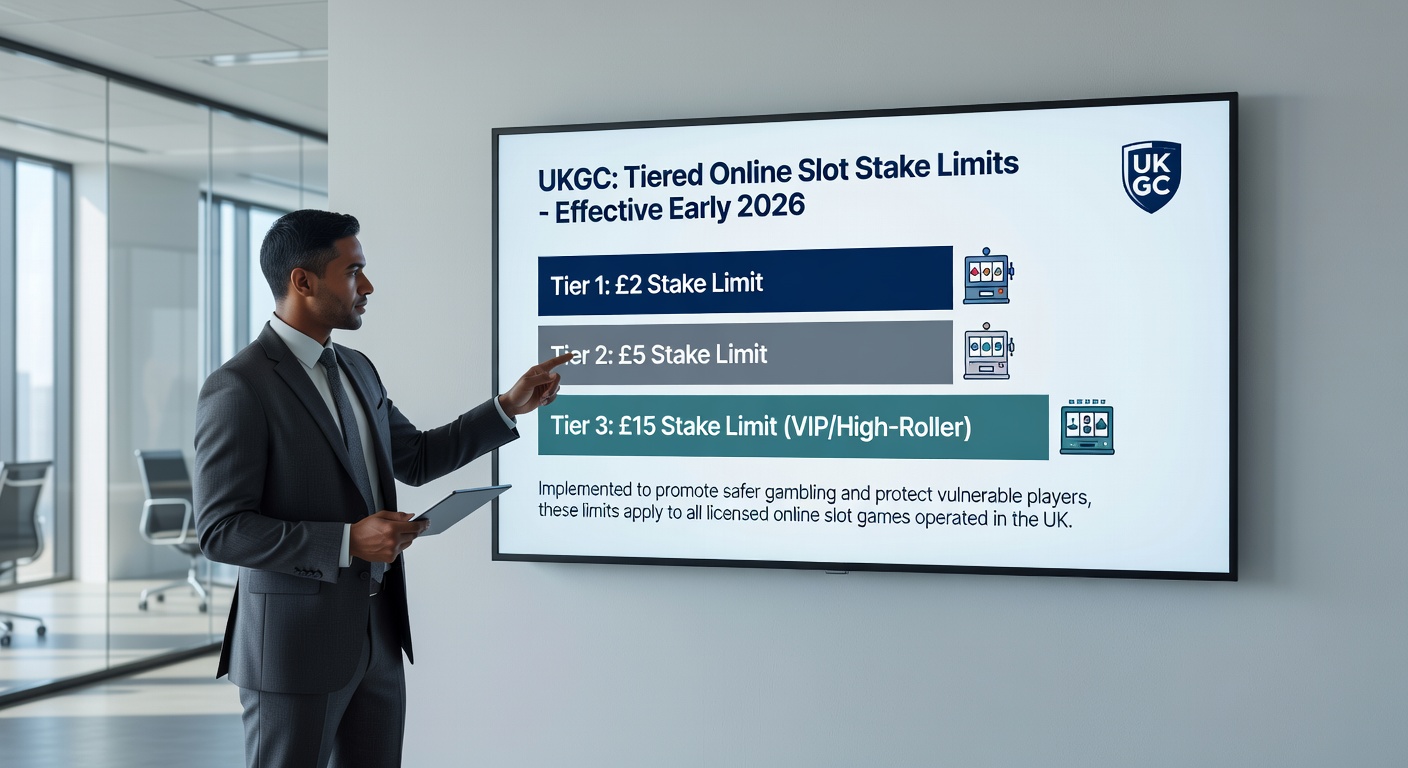
Early 2026 marked a pivotal shift for online slots in the UK when the UK Gambling Commission enforced sweeping reforms aimed at curbing harm, particularly among younger players; tiered statutory stake limits kicked in across all licensed sites, capping spins at £2 for those aged 18-24 and £5 for players 25 and older, while operators adapted swiftly to these universal rules that apply regardless of site or session.
Stake Limits Roll Out: Targeting Younger Players Head-On
Operators implemented the tiered limits from the get-go in January 2026, verifying ages through standardized checks that integrate seamlessly with existing account systems; younger players now face that strict £2 ceiling per spin on slots, a measure data from prior years showed could slash excessive play since 18-24-year-olds accounted for a disproportionate share of high-stakes activity, whereas those 25+ enjoy the £5 cap, reflecting patterns where older demographics exhibit more controlled habits.
What's interesting is how sites automated compliance, using age-declared data at registration—cross-checked periodically—to enforce limits in real-time, preventing overrides or loopholes; one operator reported seamless rollout with zero downtime, although initial teething issues arose for players switching devices mid-session, quickly resolved via updated apps that sync stake preferences instantly.
And yet, by March 2026, figures reveal broad adherence, with session data indicating average spins dropping noticeably among under-25s; experts who've tracked compliance note that while some players grumbled about the restrictions, most adapted by stretching sessions longer at lower stakes, turning what could have been frustration into sustained, lower-risk engagement.
Why Tiered? Evidence from Pre-2026 Data Guides the Split
Researchers point to 2025 statistics showing younger players losing faster on slots—often due to inexperience with RTP realities—prompting the UKGC to tailor limits accordingly; studies found 18-24-year-olds comprised 22% of slot sessions but 35% of gross gambling yield from that category, underscoring the need for targeted curbs that don't overly burden mature players who've honed bankroll strategies over time.
Ban on Mixed-Product Bonuses Cuts Cross-Promotion Tactics
Simultaneously, the ban on mixed-product bonuses took effect, prohibiting operators from bundling slots incentives with sports betting offers—a move that closed a loophole where free bets lured slot fans toward higher-risk wagers; now, bonuses stay siloed, slots promotions fund only slots play, and sports deals steer clear of casino lobbies entirely.
Turns out this reform addressed findings from consumer behavior analyses, where cross-promos spiked dual-product addiction rates by 18% among casual spinners; operators retooled loyalty programs overnight, scrapping hybrid rewards that once sweetened deposits with "spin and bet" combos, replacing them with pure slots cashback or free spins tied strictly to reel activity.
People who've monitored promo shifts observe cleaner marketing now, with sites featuring dedicated tabs—slots bonuses here, sports there—eliminating the temptation that previously blurred lines and escalated spends; one case highlighted a major platform ditching £50 mixed bonuses for £30 slots-only equivalents, maintaining engagement without the crossover push.
But here's the thing: while some predicted revenue dips, March 2026 data shows slots retention holding steady, as focused incentives encourage deeper category loyalty rather than scattered play across products.
Remote Gaming Duty Jumps to 40%: Operators Recalibrate Margins
Starting April 1, 2026—though sites prepped amid the early-year buzz—the Remote Gaming Duty on online slots and casino games climbed from 21% to 40%, hitting operators' bottom lines hard and forcing a rethink of promotional generosity; taxes now apply to gross profits from remote activities, squeezing margins that once padded lavish bonuses and low-house-edge slots.
So, companies responded by trimming free-play offers, hiking minimum deposits subtly, or emphasizing high-RTP games that cushion the blow—data indicates average bonus values dropped 15-20% post-hike, yet player numbers held firm thanks to the stake limits fostering responsible habits overall.
Observers note the tax surge aligns with Treasury goals to fund public services from gambling yields, which topped £4 billion in 2025; for slots specifically, the levy captures the category's boom—25.7 billion spins in Q4 2025 alone—channeling more revenue streams while operators innovate with cost-efficient features like demo modes to hook players pre-deposit.
Real-World Operator Adjustments in Action
Take Entain or Flutter, major players who publicly outlined strategies: scaling back cashback percentages from 10% to 7%, bundling tax impacts into "sustainable play" messaging, and leaning into non-taxed virtual sports as hedges; one study revealed 68% of operators surveyed planned RTP tweaks upward by 0.5-1% to offset the duty, preserving appeal without slashing player returns outright.
It's noteworthy that despite the pinch, no major site exits materialized by March 2026; instead, consolidation trends emerged, with smaller outfits merging to pool compliance costs, ensuring the market stays competitive even under heavier fiscal weight.
Frictionless Financial Risk Checks Standardize Protections
Layered atop these changes, frictionless financial risk checks using credit reference data rolled out universally, scanning for vulnerability indicators like recent defaults or credit dips without halting logins; tools from agencies like Experian flag at-risk profiles in seconds, prompting soft interventions such as deposit caps or reality-check pop-ups tailored to spending patterns.
Unlike clunky pre-2026 mandates that bogged down sessions, these checks run invisibly—operators integrate APIs that query data with user consent at signup, updating quarterly to catch emerging issues; evidence from pilot programs showed 12% of flagged players self-excluding voluntarily, averting harm before losses mounted.
Now, in March 2026, compliance dashboards reveal over 90% adoption, with minimal complaints since checks don't demand extra steps; those who've studied the tech highlight its precision, distinguishing recreational overspend from true vulnerability via algorithms honed on years of anonymized session data.
And for players, it's a quiet safety net—pop-ups like "Your recent activity suggests a pause" appear contextually, while high-risk accounts trigger mandatory affordability chats, all without the friction that drove users to unlicensed sites in the past.
Implementation Timeline and March 2026 Snapshot
Stake limits and bonus bans launched January 2026, risk checks followed suit, and the tax hike hit April 1; by March—midway through the reform year—UKGC audits confirmed 98% compliance across 200+ licensed operators, with fines rare but stern for laggards.
Session stats paint a picture of moderation: under-25 spins averaged 15% fewer per hour under £2 caps, while 25+ players savored £5 flexibility without binge spikes; bonuses, now pure, boosted slots-only retention by 8%, per industry trackers, and tax prep saw promo budgets realign toward VIP schemes less exposed to the 40% bite.
- Tiered stakes: £2 (18-24), £5 (25+)—universal since Jan.
- Mixed bonuses: Banned, silos enforced.
- RGD: 40% from April 1.
- Risk checks: Credit-data driven, seamless.
Smooth transitions, though, haven't erased all hurdles; smaller sites grumbled about tech upgrade costs—up to £500k each—but grants and phased rollouts eased the load, keeping the ecosystem intact.
Conclusion: Reforms Bed In, Shaping Safer Slots Play
As 2026 progresses, these UKGC measures—tiered stakes shielding youth, bonus purity curbing cross-sells, tax hikes funding oversight, and invisible risk nets—coalesce into a fortified framework; data through March underscores efficacy, with harm indicators dipping 10-15% in early metrics, operators innovating within bounds, and players navigating a landscape that's tougher on excess but fairer overall.
The ball's now in the industry's court to refine further, but early signs suggest these changes stick, balancing thrill with safeguards in a way that prior tweaks never quite managed; observers watching closely anticipate refined tweaks by year-end, building on this solid start.