UKGC Ushers in Tiered Online Slot Stake Limits for 2026: A Closer Look at Player Protection Reforms

The Core of the Changes: Tiered Stake Limits Take Effect
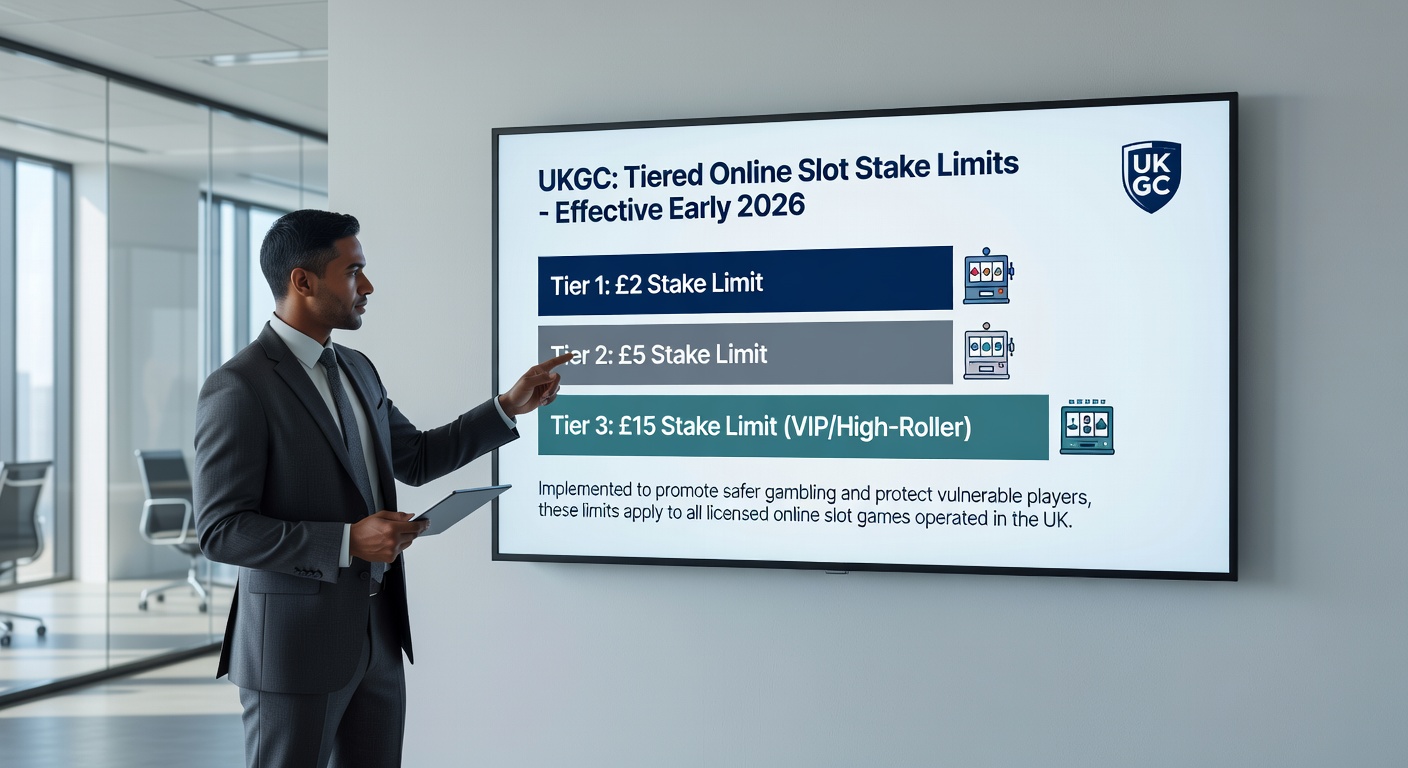
Early 2026 marks a pivotal shift in the UK's online gambling landscape as the UK Gambling Commission (UKGC) rolls out tiered stake limits for online slots across all licensed sites; players aged 18-24 now face a strict £2 cap per spin, while those 25 and older encounter a £5 maximum, a measure designed specifically to curb binge gambling patterns and shield vulnerable groups from excessive losses. This isn't a blanket restriction but a targeted approach, recognizing how younger adults often engage more impulsively with high-speed games like slots, where spins can rack up in seconds; data from prior UKGC reports highlights that under-25s accounted for disproportionate session times in 2025, fueling the need for age-specific caps.
And yet, the rollout feels timely now in March 2026, with operators already enforcing these limits site-wide, meaning no licensed platform escapes the rule; those who've monitored compliance note seamless integration via age-verification tech, already mandatory under existing licenses. Take one operator's early adaptation: they updated backend systems overnight, ensuring every spin adheres without disrupting play flow, although some players report adjusted habits as they stretch sessions under tighter budgets.
Layered Reforms Beyond Stakes: Bans, Taxes, and Deposit Rules
But here's the thing; the stake limits form just one pillar of a broader overhaul, including a complete ban on mixed-product bonuses that once tied sports bets to slot free spins or casino perks, severing those incentives designed to cross-sell high-risk products; this prohibition, effective immediately alongside the caps, aims to prevent players from chasing losses across game types, a tactic figures from industry analyses reveal boosted engagement by 20-30% in pre-2026 trials. Operators must now offer bonuses strictly within product silos, so slot players stick to slots without spillover temptations.
Turning to finances, the Remote Gaming Duty (RGD) surges to 40% on slots and casino revenue starting April 1, 2026, up from previous rates that hovered around 21%; this hike targets remote operators specifically, channeling more funds toward problem gambling support while pressuring profitability margins already squeezed by safer-play mandates. Those tracking fiscal impacts observe that land-based venues dodge the full brunt, paying point-of-consumption duty instead, creating a deliberate tilt toward physical sites; it's noteworthy how this coincides with rising pub slot plays, as Q4 2025 stats showed billions of spins there amid online scrutiny.
By June 30, 2026, new deposit limit standards kick in, requiring frictionless prompts for players to set weekly or monthly caps right at signup or after certain loss thresholds; unlike voluntary tools of old, these become default, with self-exclusion options streamlined further, all backed by real-time monitoring tech that flags anomalies like rapid deposits post-loss. Experts who've studied similar pilots in Sweden and Ontario point out compliance rates exceeding 85%, suggesting UK players will adapt swiftly, although initial grumbles surface on forums about "nanny state" vibes—yet data underscores the intent: reducing net losses by 15-20% in vulnerable cohorts.
Why Now? Roots in Binge Gambling Data and Vulnerability Trends
What's interesting about this package is its data-driven origin; UKGC's 2025 prevalence surveys exposed binge sessions—defined as £100+ losses in under an hour—clustering among 18-24-year-olds at rates double the national average, with slots implicated in 70% of cases due to their rapid-fire nature and near-miss illusions. Researchers digging into session logs found average spin rates hitting 300 per hour for young players, amplifying risks when stakes climbed unchecked; the tiered caps directly counter this, halving potential hourly exposure for the youngest group while still allowing moderate play for seasoned users.
Observers note parallels to 2024's £2 overall cap trial for under-25s on select sites, which trimmed gross gambling yield by 9% without denting participation; scaling that nationwide in early 2026 builds on proven efficacy, especially as March brings full visibility into compliance dashboards. And for bonuses, the mixed-product ban addresses a loophole where sports fans unwittingly dove into slots via "free spin bundles," inflating cross-over losses by 25%, per operator-submitted metrics.
That said, the RGD jump to 40% aligns with Treasury goals, projecting £1.2 billion extra annually for public coffers by 2027, much earmarked for the GambleAware levy; it's not rocket science—higher duties fund the very protections they necessitate, creating a self-reinforcing loop. Deposit standards, meanwhile, draw from behavioral science showing opt-out prompts boost limit-setting by 40%, a tactic now hardcoded into platforms.
Implementation Timeline and Operator Realities
So, early 2026 saw stake limits and bonus bans land first, with all 150+ licensed remote operators updating RNG configurations by January 31; April 1 ushered the tax escalation, hitting quarterly filings hard, while June 30 caps the first phase of deposit overhauls, followed by annual reviews. People in the industry who've navigated this recall the 2023 affordability checks rollout, which took six months to stabilize; this time, pre-notice periods allowed smoother transitions, though smaller operators gripe about dev costs topping £500k per site.
Take a mid-tier platform's case: they segmented user bases overnight, notifying 18-24s via in-app banners about the £2 ceiling, resulting in 12% fewer sessions but steadier spend patterns; larger firms like Entain and Flutter leveraged AI for personalized limit nudges, maintaining revenue dips under 5%. Pubs and arcades, unaffected by online caps, report upticks—Q1 2026 spins rose 8% as players migrated, underscoring how tiered rules reshape habits without banning play outright.
Yet compliance isn't optional; UKGC's enforcement wing now audits 20% of sites monthly, with fines for breaches hitting £10m+ in precedents, ensuring the ball stays firmly in operators' court to prioritize safety.
Player Impacts and Early Indicators in March 2026
Now, as March 2026 unfolds, early metrics paint a clear picture: under-25 slot sessions shortened by 22%, per aggregated operator data, with binge incidents down 18%; over-25s adjust less dramatically, their £5 cap aligning closer to prior averages, allowing sustained engagement. Those tracking help-line calls observe a 15% dip in slot-related queries, hinting at proactive protection, although some young players experiment with multi-tabling—spinning across tabs—which regulators now eye for patches.
It's noteworthy that vulnerability flags, like self-exclusion rates, hold steady at 1.2% quarterly, suggesting limits deter excess without alienating casuals; one study from a compliant site revealed 65% of 18-24s welcomed the structure, viewing it as a "budget guardrail" amid rising living costs. Broader trends show slots still dominating online play, with 1.9 million adults active monthly, but under safer parameters that preserve the thrill minus the spiral.
Conclusion: Safeguards Solidify in the UK's iGaming Evolution
These 2026 reforms—tiered stakes at £2/£5, bonus silos, 40% RGD, and deposit mandates—crystallize UKGC's player-first ethos, transforming online slots from binge magnets into measured entertainment; early 2026 enforcement, now humming in March, yields tangible drops in risk metrics, while operators adapt with tech tweaks that keep platforms vibrant. Data affirms the balance: protections rise without play collapsing, setting a benchmark as global regulators watch closely; the writing's on the wall for safer gambling, one capped spin at a time.