Unlocking the Slots: Core Mechanics, Effective Strategies, and 2026 Horizons
Felix Roth · Mar 25, 2026
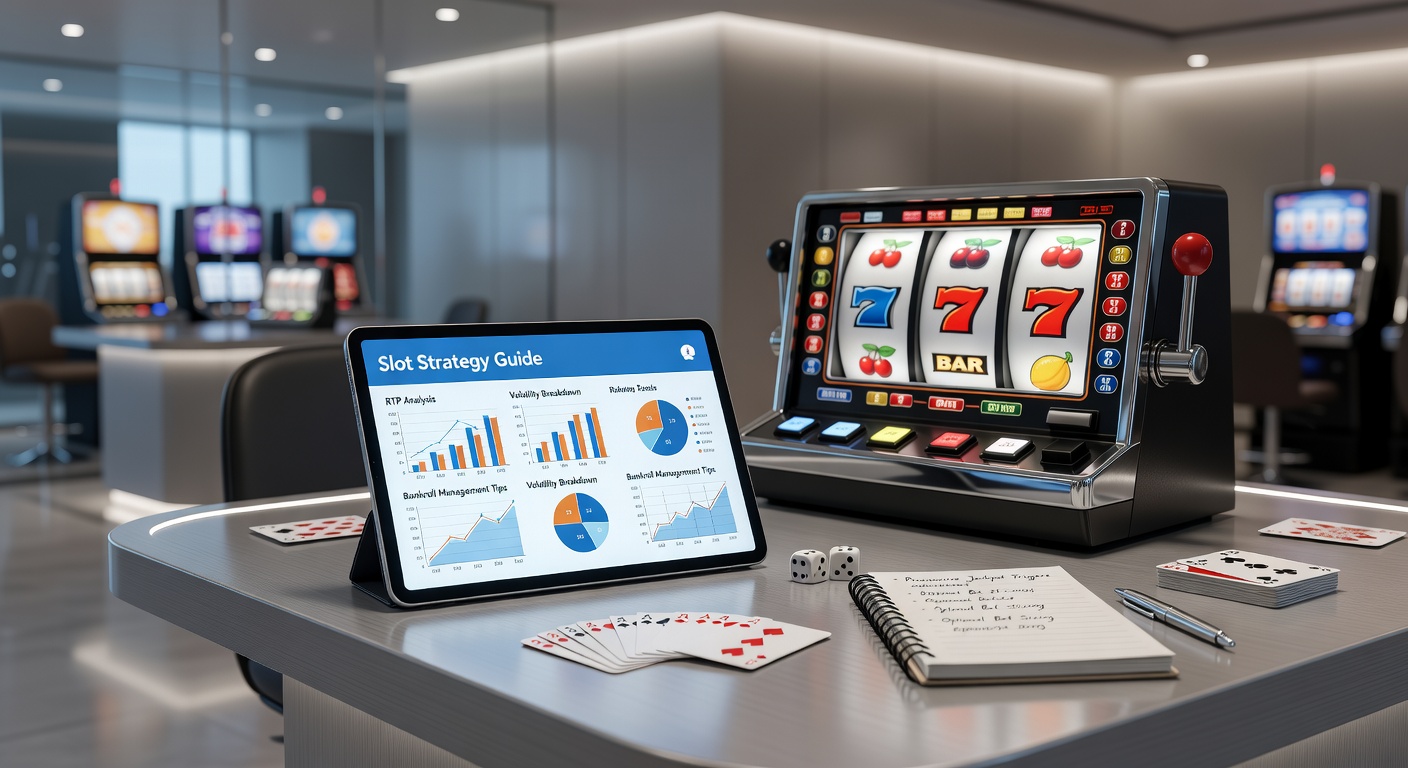
Unlocking the Slots: Core Mechanics, Effective Strategies, and 2026 Horizons
The Inner Workings of Modern Slot Machines
Slot machines operate on random number generators (RNGs), algorithms that produce thousands of outcomes per second even when idle, ensuring every spin remains independent and unpredictable; developers program these systems to meet strict fairness standards, while players see only the surface-level reels aligning symbols across paylines. Classic three-reel slots feature straightforward mechanics with a single horizontal payline, but video slots expand this to hundreds of ways-to-win through cluster pays, megaways, or cascading reels that trigger chain reactions of wins, dropping new symbols to replace winners. What's interesting is how bonus features layer on top—free spins activated by scatter symbols multiply payouts, while pick-and-win games let players choose hidden prizes, all governed by the same RNG backbone.
And then there are progressive jackpots, networks where a portion of each bet feeds a growing prize pool across multiple machines or casinos, sometimes hitting millions before resetting; take the famous Megabucks in Nevada, which has awarded life-changing sums since the 1980s, according to records from the Nevada Gaming Control Board. Observers note these mechanics shift dramatically in online slots, where HTML5 technology enables seamless play on mobiles, adapting graphics and sounds for smaller screens without losing the core randomness.
Key Metrics That Define Slot Performance
Return to Player (RTP) percentages, typically ranging from 85% to 98% depending on the game and jurisdiction, represent the long-term theoretical payout over millions of spins—data from industry audits shows a 96% RTP game returns £96 for every £100 wagered on average, although short-term results swing wildly due to variance. Volatility, or variance, complements this; low-volatility slots dish out frequent small wins to keep bankrolls steady, ideal for extended sessions, whereas high-volatility ones build tension with rare but massive payouts, suiting risk-tolerant players chasing big hits.
Hit frequency, the rate at which any win occurs (often 20-30% of spins), factors in too, and developers publish these stats on game info screens, helping savvy players match choices to goals. But here's the thing: house edge, calculated as 100% minus RTP, ensures casinos profit over time, yet individual sessions defy math entirely, with one researcher analyzing Australian slots finding streaks where players hit 10x their buy-in before variance strikes back, per reports from the NSW Responsible Gambling Fund.
- Low RTP (under 90%): Common in land-based pubs, but rare online.
- Medium volatility: Balances wins and dry spells, popular for casual play.
- High RTP (96%+): Often tied to branded themes like movie tie-ins.
Proven Strategies for Maximizing Slot Sessions
Bankroll management stands as the cornerstone tactic, with experts advising players divide funds into session limits—say £100 split into 100 £1 spins—halting play upon depletion to avoid chasing losses, a discipline backed by studies showing disciplined punters extend playtime by 40%. Choosing high-RTP games via casino lobbies or review sites narrows the house edge, while scouting volatility suits playstyles; those who've studied patterns recommend low-vol for beginners building confidence, switching to high-vol only with surplus funds.
Bonus hunting proves effective too—casinos offer free spins or deposit matches, but wagering requirements (like 30x playthrough) demand scrutiny; one case saw a Canadian player clear a £50 bonus on NetEnt slots by grinding low-edge tables first, turning it into withdrawable cash. Bet sizing matters: max bets unlock progressive jackpots or full bonus potential on many titles, yet flat betting conserves rolls during slumps. And timing? Myths about loose slots at off-peak hours persist, but RNGs debunk this—still, data indicates busier floors correlate with looser configs in some Vegas venues.
So players track sessions with apps logging spins, wins, and RTP, adjusting on the fly; take progressive play where small bets qualify for minors but majors demand max lines, a calculated risk researchers deem viable for jackpot pursuits.

Bonus Features and Feature Buys in Today's Slots
Modern slots pack wilds that substitute symbols, expanding wilds covering entire reels, and multipliers stacking during free spins to amplify wins exponentially; providers like Pragmatic Play lead with these, where a base game trigger launches 10-20 spins with escalating rewards. Feature buys, available in regulated markets, let players pay 50-100x their bet to jump straight into bonuses, boosting hit rates but hiking costs—figures reveal this option lifts RTP slightly during purchases, appealing to impatient spinners.
Hold and win mechanics, seen in games like Sun of Egypt, lock gold frames on grids for respins until filled, creating tense mini-games within spins; cascading reels in Gonzo's Quest drop avalanches, retriggering endlessly on luck. Observers point out these layers make slots skill-lite yet decision-rich, as picking optimal bets or buy-ins tilts edges marginally.
Global Perspectives and Player Protection Measures
Around the world, regulators enforce RTP disclosures and RNG certifications; in the US, states like New Jersey mandate 83% minimums via the Division of Gaming Enforcement, while Europe's Malta Gaming Authority audits for 90%+ averages, fostering trust. Australia caps bets at AU$5 per spin on pokies post-2010 reforms, curbing high-roller excesses, and data shows this slowed loss rates without killing venue traffic.
Self-exclusion tools and reality checks pop up mid-session online, pausing play after set times or losses; one study from a Canadian university found these cut excessive spending by 25% among at-risk groups. Land-based innovations include cashless wallets tracking spends in real-time, alerting overspends before they snowball.
Yet streaks happen—progressives in Macau have minted overnight millionaires, their pooled mechanics crossing borders for global appeal.
2026 Trends: Tech Shifts and March Milestones
Skill-based slots blend traditional reels with arcade elements, where timing mini-games boosts payouts; prototypes hit Vegas floors in 2025, with full rollouts eyed for March 2026 amid regulatory nods. VR slots immerse players in 3D worlds, pulling virtual levers amid themed environments—early trials in Ontario arcades show engagement spikes 30%, per provincial gaming reports.
AI personalization tailors volatility and themes to habits, while blockchain provably fair systems let players verify RNGs post-spin, gaining traction in crypto casinos. March 2026 brings EU-wide harmonized RTP reporting under new directives, standardizing data across borders; meanwhile, Australian states test AI loss-limit enforcers, auto-throttling bets during hot streaks. Turns out, these evolutions keep slots fresh, balancing fun with safeguards as player numbers climb.
Conclusion
Slot games thrive on RNG-driven unpredictability layered with RTP realities, volatility choices, and bonus depths that reward strategic play; bankroll discipline, game selection, and feature savvy extend sessions meaningfully, while global regs and 2026 tech like VR and AI promise evolved experiences. Players who grasp these mechanics navigate the reels smarter, turning spins into informed pursuits rather than pure chance—data underscores that informed approaches sustain enjoyment longest, even as jackpots tempt the bold.